When it comes to cooling and heating your home efficiently, mini splits are becoming a go-to solution for homeowners and DIY enthusiasts alike. With brands like Zone Air, MrCool, and Pioneer leading the pack, deciding whether to invest in a basic single or multi-speed mini split or shell out for a more advanced variable-speed inverter model is a common question. In this post, we’ll dive deep into what makes a variable-speed inverter mini split tick, the benefits it delivers, and whether it’s truly worth the premium price.
Understanding Mini Splits: True DIY vs Semi-DIY
Before jumping into inverter tech, let’s clear up a recurring confusion in the mini split world: True DIY versus Semi-DIY systems.
- True DIY systems such as many models from MrCool come with pre-charged quick-connect line sets. These line sets let you snap the indoor and outdoor units together without needing specialized HVAC tools like vacuum pumps or manifold gauges. While this simplifies the install, it generally limits you to fixed-speed compressor models, though some newer variable-speed units are starting to appear. Semi-DIY systems, like those offered by Zone Air and Pioneer, usually require vacuum pumps and manifold gauges to purge air and moisture properly from the refrigerant lines before charging. This means a steeper learning curve and potentially hiring a pro, but it allows for better system performance, flexibility in line lengths, and often use of variable-speed inverter compressors.
So, which route do you take website depends on your skills, your willingness to deal with HVAC-grade tools, and how much control you want over the installation quality.
What Is a Variable-Speed Inverter Compressor?
The heart of higher-end mini splits is the inverter compressor. Unlike older single-speed compressors that run at full blast or are turned off, variable-speed inverter compressors modulate their speed continuously to match the exact cooling or heating load.
- Better Comfort: By fine-tuning output, these compressors avoid the sudden temperature swings caused by on/off systems, delivering quieter operation and stable indoor temps. Improved Efficiency: When sized right for your space, inverter compressors run at lower speeds for longer periods, consuming less electricity compared to frequent startup cycles. Longer Equipment Life: Smoother starts and stops reduce wear and tear.
Brands like Zone Air offer variable-speed inverter mini splits that showcase these benefits, though they come at a premium. For example, their 12,000 BTU 230V wall-mounted system is priced between $2,049-$2,599, versus basic non-inverter models that can cost up to 30-40% less upfront.
Why Efficiency Is a Moving Target: SEER2 and HSPF2 Changes in 2026
If you’re shopping or planning your next HVAC upgrade, understanding upcoming regulatory changes is crucial. The U.S. Department of Energy is phasing in new test procedures starting in 2026 to better reflect field performance:
- SEER2 (Seasonal Energy Efficiency Ratio): Updates account for real-life operating conditions like cycling losses and part-load performance. HSPF2 (Heating Seasonal Performance Factor): Enhancements represent cold-weather heating efficiency more accurately.
This means:
- Manufacturers will need to optimize inverter controls and refrigerant management to meet these stricter numbers. Some current models may appear less efficient once tested under SEER2/HSPF2. Paying for a top-tier variable-speed inverter system now could future-proof your investment.
The R-454B Refrigerant Transition and What It Means for Your Mini Split
Another major shift on the horizon is the widespread adoption of R-454B refrigerant. This low-global warming potential (GWP) refrigerant is replacing older R-410A in many new mini split systems, driven by environmental regulations.
Key points for DIY homeowners:
- Compatibility: Check that your brand and model support R-454B. Many Zone Air and Pioneer units already are transitioning. Handling: Vacuum pumps and manifold gauges must be compatible and properly rated for R-454B to avoid leaks or damage. Refrigerant Charging: Proper vacuuming before adding any refrigerant charge is still mandatory—even with pre-charged quick-connects on some models—especially if you adjust line lengths.
Price Example: What Does It Really Cost?
Brand Model Type BTU Voltage Price Range Compressor DIY-Friendly? Zone Air Wall-mounted 12,000 230V $2,049 - $2,599 Variable-speed inverter Semi-DIY (vacuum pump & gauges required) MrCool Wall-mounted 12,000 230V Approx. $1,200 - $1,599 Single-speed (some inverter coming) True DIY (pre-charged quick connects) Pioneer Wall-mounted 12,000 230V $1,500 - $2,100 Variable-speed inverter Semi-DIYClearly, paying extra for a Zone Air inverter mini split means investing in better technology—but remember, if you’re comfortable using vacuum pumps and manifold gauges for that quality installation, the efficiency payback can often justify the upfront cost.
Do You Need a Vacuum Pump and Manifold Gauges for Your Mini Split?
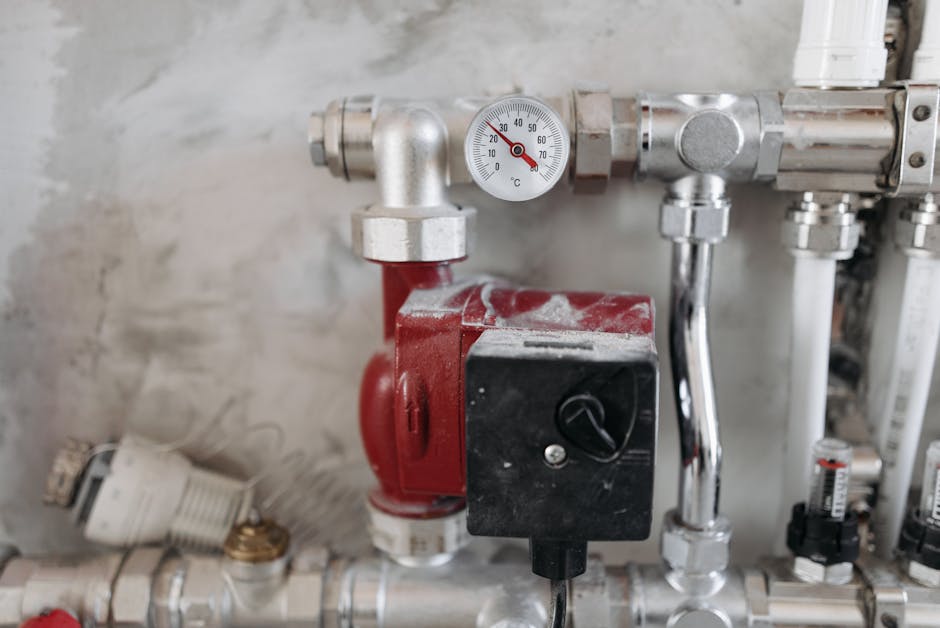
One important tip I always repeat: check the refrigerant connection method first. If your unit comes with pre-charged quick-connect line sets (common in many MrCool kits), you might get away without a vacuum pump and manifold gauges. However, if your system is semi-DIY or requires custom line lengths—as with most Zone Air and Pioneer products—you’ll need these tools.
- Vacuum Pump: To evacuate air and moisture from the lines before charging the refrigerant. Moisture ruins performance and can cause corrosion. Manifold Gauges: To monitor system pressures during start-up, ensuring proper charging and detecting leaks.
Even “DIY-friendly” units benefit from vacuuming if you alter refrigerant lines or suspect any leaks. Skipping this step might seem like saving money, but it could mean headaches down the line.
Efficiency When Sized Right: Why It Matters
A variable-speed inverter mini split’s efficiency is best realized when it’s properly sized for your home’s heating and cooling load. Oversizing defeats the purpose, causing short cycling and wasting energy. Conversely, undersizing leads to constant max output and wear.
Here’s what to consider:
- Perform a Manual J Load Calculation: Use online tools or consult an HVAC pro for an accurate heat load estimate. Match the Unit’s Capacity: 12,000 BTUs are common for small to medium rooms, but careful matching minimizes cycling. Leverage the Inverter Compressor: Once sized right, the inverter adapts to load fluctuations, delivering optimal comfort and efficiency.
Final Thoughts: Is Paying for a Variable-Speed Inverter Mini Split Worth It?
In short, yes—but with caveats.
If you’re a hands-on homeowner comfortable with vacuum pumps and manifold gauges or willing to hire a professional, investing in a variable-speed inverter mini split from Zone Air or Pioneer often means better comfort, greater efficiency, and quieter operation. Expect to pay $2,000 or more for a 12,000 BTU wall-mounted system, but consider the savings on your energy bill over time.
For pure DIYers who want easy installation without special HVAC tools, MrCool offers a solid option with fast setup thanks to pre-charged quick-connects—though you may miss out on variable-speed inverter benefits for now.
Stay informed about the upcoming SEER2/HSPF2 efficiency standards and refrigerant transitions to R-454B. These changes mean all mini splits will evolve to become cleaner, greener, and more efficient. Paying a little extra now might future-proof your comfort and savings.
Whatever you choose, remember my golden rule: always verify refrigerant connection methods, prepare your tools, and size your mini split correctly. That’s the key to getting the best bang for your buck and true year-round comfort.