During my decade in regional airline operations, I spent my fair share of time on the tarmac watching the ground crew load cargo, but my real education came from the thousands of hours I spent trapped in pressurized aluminum tubes myself. If there is https://bizzmarkblog.com/the-blackout-gap-blues-how-to-sleep-when-your-hotel-fails-you/ one piece of advice I give to novice travelers—beyond "check your connection times"—it is to stop treating the cabin environment as a neutral space. It is, quite literally, a desert.
Most travelers hear the phrase "stay hydrated" and assume it means chugging a bottle of lukewarm airport water before boarding. That is, frankly, useless. Understanding the physics of airplane cabin humidity is the difference between arriving at your destination functional and arriving as a dehydrated, sleep-deprived husk.
The Science of the Sky: Why It’s So Dry
The air inside a commercial aircraft is pulled from the outside. At cruise altitude—typically 35,000 feet—the air is bone dry. By the time that air is compressed, heated, and circulated through the cabin, the relative humidity often drops to below 10-15%. To put that in perspective, the Sahara Desert averages about 25% humidity. You are breathing air drier than the world’s most famous desert for six, eight, or twelve hours at a time.
According to research published in The Permanente Journal, low cabin humidity is a primary driver of mucosal membrane irritation. When your mucous membranes—the protective lining of your nose, throat, and eyes—dry out, your body’s first line of defense against pathogens and irritants is compromised. My experience in operations taught me that when the air is this dry, it isn't just uncomfortable; it’s a physiological stressor that keeps your nervous system in a state of high alert, making sleep disrupted dehydration an inevitability.
Furthermore, citing data from NIH / NCBI (PubMed Central), studies on environmental stressors at altitude suggest that this lack of moisture significantly alters your electrolyte balance. You aren't just losing water; you are losing the salts required for nerve conduction and muscle function. This is why you feel that "flight hangover" upon landing.
Beyond "Hydration": Managing Your Nervous System
If you have ever tried to nap on a flight, only to find yourself waking up every 20 minutes with a dry throat and a racing heart, you are experiencing the synergy of dry air and a dysregulated nervous system. The lack of humidity triggers a mild stress response, which keeps your cortisol levels artificially elevated.
I stopped trusting "miracle" sleep aids years ago. Most travelers fall for the marketing of "melatonin megadoses"—those 5mg to 10mg gummies sold at the newsstand. Science dictates that melatonin is a hormone of *timing*, not a sedative of *intensity*. Taking a massive dose doesn't make you sleep deeper; it just gives you a groggy, chemical hangover that messes with your circadian rhythm once you land.
Instead, I focus on regulating my nervous system. I keep a dedicated zip pouch in my carry-on. If it isn't in the pouch, it isn't flying with me. My go-to for regulating that mid-flight "wired but tired" feeling is a high-quality CBD oil tincture. I’ve been testing Joy Organics on my short-haul flights between regional hubs for months before trusting it on my long-hauls to Europe.
Why the Tincture Matters:
- Sublingual delivery: Unlike a gummy, which has to pass through your digestive system, a tincture used with a dropper under the tongue enters the bloodstream faster—critical when you have a narrow window to catch some shut-eye. The COA is non-negotiable: I never touch a CBD product without looking up its third-party lab results / certificate of analysis (COA). If a company isn't providing a batch-specific COA, they’re hiding something. You shouldn't be gambling with supplements when you're already 35,000 feet in the air.
Note for the TSA-savvy: If you are carrying your tincture, remember that your liquid container must be 3.4 ounces (100ml) or less. Keep it inside your quart-sized clear bag. If you try to bring a 4oz bottle through, the TSA agent will toss it, and no amount of pleading about your "nervous system regulation" will save it.
The Dehydration and Electrolyte Matrix
Stop thinking that drinking plain water is enough. Pure water lacks the solutes necessary to hold onto that moisture in the dry, pressurized environment of a plane. You need electrolytes. I prepare a small, measured amount of electrolyte powder in my zip pouch—again, within the TSA liquid/powder regulations—to add to my water bottle.

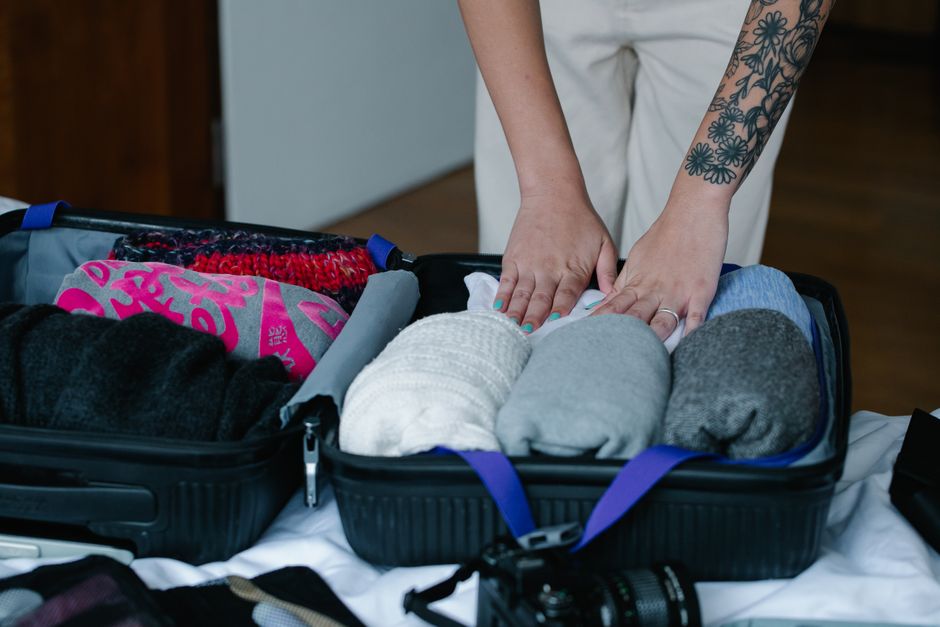
Packing for Success: The Zip Pouch Protocol
My biggest annoyance is the "overstuffed packing list." You do not need a three-step skincare routine, a neck pillow that takes up half your carry-on, and a massive noise machine. You need efficiency. My flight pouch contains only what I have tested on short https://highstylife.com/the-post-arrival-protocol-mastering-your-hotel-wind-down-routine/ trips to ensure they survive the rigors of travel.
Lip balm and saline spray: Essential for the dryness. (Must be under 3.4oz/100ml). Electrolyte sticks: Keep you hydrated at a cellular level. Joy Organics CBD Tincture: 1oz bottle, perfect for TSA compliance, with the COA saved as a PDF on my phone. High-fidelity earplugs: Not the foam ones that make your head throb.Final Thoughts on Cabin Comfort
Don't fall for the "stay hydrated" catch-all. It’s an empty piece of advice. You are fighting physics. The dry air on flights is designed to keep the plane’s electronics and structural components happy, not your respiratory system. By acknowledging that your body is being put under an environmental tax, you can start mitigating it with smart electrolyte use, targeted supplements like CBD instead of melatonin megadoses, and a ruthless commitment to your carry-on organization.
The next time you board, look at the other passengers. Most of them will be dehydrated, stressed, and exhausted. You, meanwhile, will have your zip pouch in the seatback pocket, your electrolytes ready, and your nervous system under control. The red-eye doesn't have to be a nightmare—it just requires a little bit of operational planning.