I have spent a decade sitting in punch-list meetings where the air smells like fresh low-VOC paint and anxiety. I’ve watched architects stare at beautiful floor plans that look perfect in a PDF but fall apart the moment a client moves in their Herman Miller chairs and starts trying to actually work. Everyone loves to use the phrase "make it modern," but after years of coordinating between MEP engineers and interior designers, I’ve learned that "modern" is just a code word for "we didn’t think about where the columns were."
When we talk about open plan collaboration, we often fall into the trap of thinking that simply removing walls will magically make a team more innovative. Spoiler: It doesn't. If you don't account for the structural realities of the building—the window placement, the HVAC runs, and the circulation flow—you aren’t creating a collaborative hub. You’re just creating a very expensive, very noisy warehouse for human beings.

Before We Pick Paint, Where is the Light Coming From?
I refuse to talk about accent walls or acoustic felt panels until I see the reflected ceiling plan and the window schedule. Why? Because workspace layout is dictated by the building’s envelope, not the latest trend on Pinterest. If your "team productivity space" is buried in the core of the building with zero access to natural light, no amount of "Google-inspired" beanbag chairs is going to make your employees want to stay there for eight hours.
Take a look at how companies like Google and Apple approach their massive campuses. They aren't just "open"; they are oriented around light. They utilize deep floor plates that are punctuated by light wells and glazed partitions. When designing for collaboration, natural light is the primary tool for wayfinding and psychological health. If your teams are fighting over the desk nearest the window, your floor plan is fundamentally broken.
The Structural Reality: Why "Open" is Often a Mistake
When I see firms submitting projects for the Rethinking The Future Awards 2026, I’m looking for one specific thing: discipline. Does the furniture layout respect the grid? If you try to force a collaborative cluster into a space that wasn't designed for it—ignoring load-bearing columns or massive HVAC bulkheads—you end up with "dead zones."
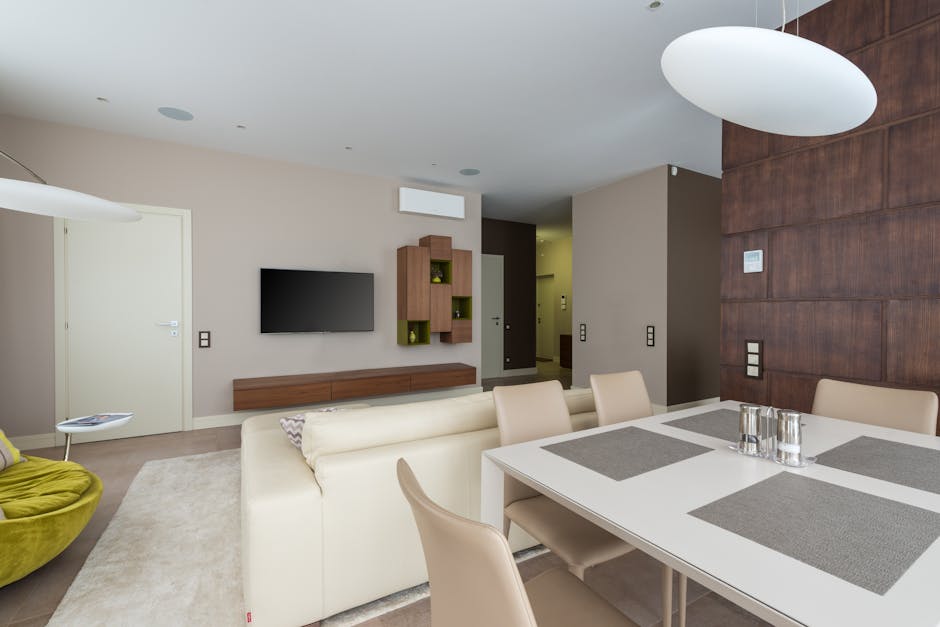
I often point to resources like Eduwik when talking to junior designers about how circulation paths define the culture of a workspace. If your main artery for walking to the printer cuts through the middle of the engineering team’s deep-work zone, you aren't boosting collaboration; you’re inducing permanent distraction.
Small Layout Fixes That Save Big Money Later
- Column Integration: Don't try to hide them. Use them as anchor points for high-top collaborative counters or acoustic "quiet pods." Zoning for Acoustic Drift: If you have an open plan, place your high-activity zones (kitchens, coffee bars) at the furthest point from the focus-work areas. Glazing Efficiency: Use glass partitions strategically to borrow light from the perimeter without letting sound leak into private offices.
Functional Zoning: The "Activity-Based" Myth vs. Reality
We see a lot of talk about "productivity gains" in open offices, but the data is shaky at best. Microsoft has done significant research into how we work, and the consensus is clear: humans are not built to be "on" for eight hours straight in a goldfish bowl. If you are going to use an open plan, you must implement functional zoning.
Zone Type Primary Function Design Requirement The Hive Collaboration/Brainstorming High-traffic, writable surfaces, soft acoustic treatment The Anchor Focused Individual Work Dedicated task lighting, sound-dampening panels The Transit Socializing/Movement Hard flooring (for durability), clear visual cuesWhy Do Some Teams Actually Thrive?
The teams that successfully leverage an open floor plan aren't the ones that forced everyone to sit in a grid of identical desks. They are the teams that utilize space optimization to mirror their internal workflows. For a sales team, "open" might mean standing desks and constant shouting across the aisle. For a software dev team, "open" means a quiet zone surrounded by a ring of meeting pods for quick syncs.
Collaboration happens when you lower the friction for communication. If I have to book a room through an app just to ask my teammate a two-minute question, I’m not going to do it. But if the floor plan provides "touchdown spaces" located within the flow of movement, the collaboration happens naturally.
The "Trends vs. Durability" Trap
I see it every year: a design firm specifies a trendy, porous material for a high-traffic lobby or a shared kitchen area. Within six months, it’s stained, peeling, or looking like a horror movie. In a high-traffic commercial space, performance matters more than the "look."
Acoustics aren't optional: If you have an open plan with hard ceilings and exposed concrete, you are creating an echo chamber. You need ceiling baffles or wall-mounted acoustic felt early in the MEP design phase. HVAC placement: If your supply vents are blowing directly onto the back of someone’s neck in their "hot-desk" spot, they will never sit there. That’s a wasted seat and a wasted investment. The "Flex" Factor: Design for change. The teams of today will not be the teams of 2028. Use modular wall systems rather than drywall wherever possible.Final Thoughts: Stop Using Vague Phrases
When a client tells me they want to "make the office more modern," I stop them immediately. What does that mean? Does it mean better video conferencing capabilities? Does it mean higher ceiling heights that feel airy? Does it mean the floor plan is actually responsive to the way people interact?
When you start looking at your office layout through the lens of structural reality—where the windows are, how the air moves, and how the floor grid dictates human traffic—the "open plan" stops being a trend and starts being a tool. If you want to boost collaboration, stop thinking about how many desks you can cram into a floor plate. Start thinking about how to build a space that supports the messiness of actual teamwork.
If you’re currently in the middle of a fit-out and your contractor is telling you that the HVAC ductwork "can't be moved," that’s the moment you need to sit down and rethink the zones. Don’t build around https://www.re-thinkingthefuture.com/architectural-insights/how-architecture-shapes-innovative-commercial-interior-design/ the mistakes; fix them before the carpet goes down. Your employees—and your budget—will thank you for it.