Moving day is notoriously chaotic—even for the most seasoned movers. One of the biggest headaches that creeps into the process is box labeling. You might think slapping a vague “Kitchen” or “Bedroom” on the side is enough. Here’s the catch: it’s not. Properly labeling boxes by room can transform your entire moving experience, especially when it comes to unloading organization tips and making unpacking straightforward.

Having spent 11 years on the operations side of moves in Tidewater Virginia—from dispatch and crew scheduling to coordination with storage facilities—I’ve seen what works and what doesn’t. In this post, I’ll detail the best strategies to label your moving boxes so unpacking is effortless. We’ll also discuss how local expertise beats generic GPS, the role of route optimization software, and why digital inventory tools can save you from costly mistakes.
Why Labeling Boxes by Room Matters
Imagine arriving at your new place after a long day, only to face a pile of unlabeled boxes or, worse, boxes labeled in a way that confuses loaders and unloaders. This leads to delays, misplaced items, and frustration. Properly labeled boxes help your moving crew know exactly where each box belongs, cutting down unloading time and preventing mix-ups.
- Streamlines Unloading: Knowing exactly which boxes go to which room means movers can deposit boxes in the right spot immediately. Speeds Up Unpacking: When unpackers can find boxes by room, they can prioritize essentials and organize more efficiently. Reduces Damage Risks: Labeling fragile items clearly within rooms helps handlers take extra care. Keeps Inventory Organized: Paired with a digital inventory, room-based labels allow for quick tracking.
Common Mistake: Overlooking Pricing and Communication
Here’s a pet peeve from my days coordinating moving operations: many people expect all details—like pricing, rates, and contact info—to be upfront, but they aren’t always included in initial content or booking notes. A closer look at movers like Southside Moving and Storage reveals they excel in customer transparency, giving clear pricing and ongoing communication about arrival windows and route changes.
This leads me to a must-have when labeling and organizing your move: a communication plan. Label boxes by room, but also maintain a real-time digital inventory to update your movers and family on status. This is where tech plays a huge role.
Step 1: Start with Color Code Moving Boxes
Color-coding is hands-down the simplest yet most effective visual method to label moving boxes by room. Assign a unique color to each room and use colored tape or markers on each box that’s destined for that room.
Choose Colors Wisely: Avoid similar shades (e.g., blue and purple) to prevent confusion. Prepare Labels: Use large, clear labels with the room name and a checklist of contents if possible. Use Colored Tape or Stickers: Wrap tape around the box edges or place stickers conspicuously. Make a Legend: Create a master sheet linking colors to rooms, so everyone involved is on the same page.For instance, all kitchen boxes might get red tape, while living room boxes wear green. Movers like Southside Moving and Storage rely on such clear visual queues paired with their local expertise to drastically reduce confusion during unloading.
Step 2: Label Boxes by Room with Detailed Descriptions
Color-coding alone isn’t enough—especially when you have multiple boxes labeled “Kitchen.” Add short but descriptive notes on each box.
- Example: Instead of “Kitchen,” label “Kitchen – Pots & Pans” or “Kitchen – Glassware” Fragile Items: Mark fragile with bright labels and note “Handles With Care” alongside the room. Priority Boxes: Mark “Open First” on boxes with essentials for your first night.
This level of detail helps your crew prioritize while unloading and ensures that important items are easy to find as soon as you arrive.
Step 3: Use Digital Inventory and Documentation to Eliminate Mistakes
One of the biggest innovations that companies like Southside Moving and Storage have adopted is adopting technology to track box contents and locations digitally. The American Society of Civil Engineers (ASCE) has reported the growing use of digital mapping platforms and route optimization software in the moving and logistics industries, showing tangible improvements in efficiency.
How does this help you?
- Creates a Master Inventory: Use a spreadsheet or mobile app where you enter each box number or color, room, and contents. Coordinates with Moving Crew: Share the digital inventory with movers for transparency and better planning. Minimizes Lost Items: If a box goes missing, you know exactly what’s inside and where it belongs. Facilitates Insurance Claims: Documentation is crucial if something gets damaged or lost.
GISuser (GIS user technology news) highlights how digital mapping platforms provide local route context that generic GPS apps often miss. This advantage helps avoid bottlenecks like no-parking zones and elevator reservations at the destination.
Step 4: Plan Your Move with Local Expertise and Route Optimization Software
Here’s another critical tip from experience: local expertise beats generic GPS every time. When moves are planned by dispatchers who understand local roads, parking restrictions, and building access rules, everything runs smoother.
Route optimization software, in tandem with local knowledge, reduces travel time and avoids surprises. This paired approach also offers real-time updates to customers about estimated arrivals and reroutes if traffic snarls occur.
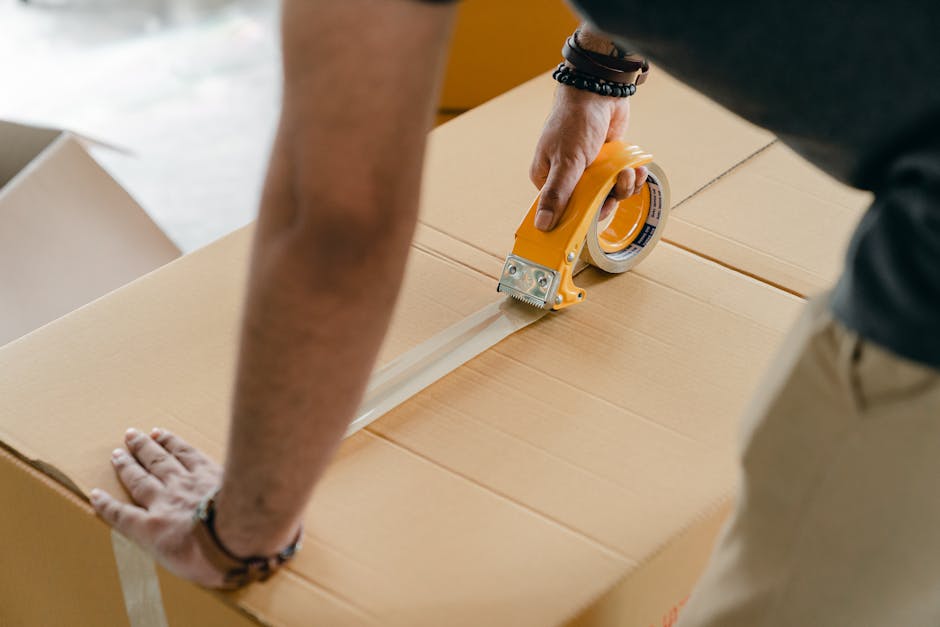
Southside Moving and Storage employs route optimization strategies, ensuring that boxes labeled by room end up exactly where they should without delays.
Step 5: Communicate Clearly and Transparently with Your Movers
The best labeling system fails if communication is poor. You want to know when your moving crew is arriving, any delays en route, or challenges in accessing your new home.
Movers committed to good service, like Southside Moving and Storage, provide real-time updates, clear arrival windows, and confirm elevator or parking reservations ahead of time. You should insist on the same transparency.
Summary Table: Key Tips for Labeling Boxes by Room
Step Description Benefits Color Code Moving Boxes Assign each room a unique color and mark boxes accordingly. Quick visual identification; reduces confusion during unloading. Detailed Room Labels Add descriptions like “Kitchen – Glassware” and indicate fragile/priority boxes. Eases unpacking by prioritizing boxes; protects delicate items. Digital Inventory & Documentation Log boxes and contents into digital platforms; share with movers. Minimizes loss; provides transparency and claim support. Local Expertise & Route Optimization Use local knowledge coupled with software for navigation and scheduling. Reduces delays; handles access restrictions; improves ETA accuracy. Transparent Communication Keep all parties updated on arrival and any changes. Manages expectations; reduces anxiety on moving day.Bonus: Move-Day Surprises to Avoid
From my years in the moving industry, I keep a running list of move-day surprises. Here are a few that relate directly to labeling and unloading:
- No Parking or Elevator Reservations: Movers arrive but can’t park close or use elevators without prior booking, causing delays. Boxes without Clear Labels: Leads to unloading frustration and wasted time rearranging boxes. Lack of Pricing Transparency: Surprises in costs breed distrust and stress during an already emotional day.
Address these early by asking about parking and elevator rules at both origin and destination and make sure your mover includes pricing and contact info upfront. Southside Moving and Storage is a great example of a company who nails these details.
Final Thoughts
Labeling your moving boxes by room, combined with color coding, detailed descriptions, digital inventory, and leveraging local expertise through route optimization software, makes a world of difference. It’s not just about marking boxes. It’s about enhancing communication, reducing errors, and speeding up every step from loading to gisuser unpacking.
Check out movers who prioritize transparency and technology integration—like Southside Moving and Storage—and consider how tools spotlighted by GISuser and standards championed by ASCE can elevate your entire moving experience.
Remember: the better your labeling and planning, the less stressful your move will be. Happy moving!
```