When it comes to improving your home's comfort, particularly regarding sound insulation, the choice between secondary glazing vs double glazing often causes confusion. Both solutions claim to reduce noise, but which truly makes a difference — especially when considering air quality, ventilation, damp risks, and lighting?
As someone who’s been demystifying home renovations for UK residents for over a decade, I always start by looking at what you Have a peek here can measure: sound levels, humidity, temperature, and light. Let’s explore these high humidity symptoms indoors factors and guide you through making an informed decision.
Why Focus on Air Quality and Ventilation First?
Before diving into noise reduction, it’s critical to understand that windows are more than just barriers to sound. They’re also gateways for fresh air and vital to controlling humidity.
Improper sealing or replacing a single glazed window with a completely sealed double glazed one could cause your home to trap moisture. While it may initially feel quieter and warmer, poor ventilation creates an invisible risk: damp and mould. This is not just an aesthetic problem. Mould spores can worsen respiratory issues, allergies, and overall indoor air quality — health risks you should never underestimate.
Common Ventilation Installation Mistakes
- Ignoring extractor fans: Many installers or homeowners don’t install or upgrade extract fans in kitchens and bathrooms alongside window upgrades. Without efficient extraction, airborne moisture lingers. Over-sealing: Some double glazing installations create airtight rooms without secondary ventilation routes. Incorrect fan types: Fans that are noisy or poorly placed often end up switched off — defeating their purpose.
Choosing sound insulation solutions that allow easy integration with ventilation is vital. For example, extract fans designed for silent operation work wonders when properly installed.
Secondary Glazing vs Double Glazing: Noise Reduction
Let’s get to the heart of the debate: sound insulation windows and the cost effective noise fix between secondary and replacement double glazing.
What is Secondary Glazing?
Secondary glazing involves installing an additional set of glazed panels inside your existing window frame. Because it creates a separate air gap, it can significantly reduce noise infiltration at a fraction of the cost of full window replacement.
Secondary glazing also maintains your original windows — saving you disruption and preserving period features in your home. This is a boon for those wary of losing character or facing scaffolding and builders for weeks.
What is Replacement Double Glazing?
Replacement double glazing means removing your original windows and installing modern, sealed units that have two panes of glass separated by a vacuum or gas-filled gap. It’s often considered the “permanent” solution.
However, not all double glazing is the the same. The quality, frame materials, thickness of glass, and installation precision all influence how well it insulates sound.
But Which Is Better for Noise?
Criteria Secondary Glazing Replacement Double Glazing Noise Reduction Effectiveness Excellent with proper installation; air gap customizable Very good but depends on unit quality and installation Cost More cost effective; less disruption Higher upfront cost Installation Disruption Minimal Moderate to significant Impact on Ventilation Easier to maintain airflow if needed Can reduce airflow unless integrated ventilation added Suitability for Older Properties Excellent; conserves original windows May not suit listed buildings without permissionsIn general, if noise is a primary concern and budgets are tight, secondary glazing offers an excellent cost effective noise fix. It also lets you keep your windows’ character while improving acoustic comfort.
Replacement double glazing fits better for full refurbishments or when improving thermal efficiency is equally important alongside noise reduction — but beware ventilation impacts.
Complementing Window Solutions with Lighting and Ventilation
Effective sound insulation should go hand in hand with smart ventilation and lighting: both influence wellbeing and indoor air quality.
Layered Lighting on Separate Circuits
An often overlooked tip is installing layered lighting on separate circuits. Why? Because lighting impacts circadian rhythms—your body’s internal clock which influences sleep quality, mood, and even respiratory health.

- Cool light in mornings: Encourages alertness and aligns with natural daylight. Warm, dimmable lighting in evenings: Supports relaxation and prepares you for sleep.
Such thoughtful lighting design complements a quieter, healthier indoor environment created by proper glazing and ventilation.
Where to Find Expert Support and Materials
When renovating windows or upgrading interiors for comfort, having trusted suppliers and installers is key.
- Utology in Birkenhead (rated 5) offers excellent furniture and accessories. Their bespoke pieces can complement your newly quieter room, adding texture without sacrificing style. Unique Tiles in Crewkerne (rated 14) specialise in tile, stone, and worktops. Their materials can resist moisture better, helping prevent damp-related problems that poor ventilation might otherwise cause.
Small Fixes That Actually Work
Over my years of experience, here’s a rundown of practical tweaks you can incorporate alongside window soundproofing:
Install silent running extractor fans in kitchens and bathrooms to keep moisture down. Ensure effective draught-proofing around windows but avoid sealing vents that support fresh air exchange. Use heavy curtains with tight seals (not just any “blackout” curtain that lets light and sound leak) to supplement glazing and improve sound insulation. Incorporate layered lighting controls for better circadian rhythm support and mood regulation.Summary
Here's what kills me: when deciding secondary glazing vs double glazing for noise reduction, new and experienced homeowners alike must weigh:
- Noise reduction effectiveness Cost and installation disruption Ventilation and air quality implications Impact on damp and mould risks Complementary home environment factors like lighting
One client recently told me wished they had known this beforehand.. Secondary glazing emerges as a highly cost effective noise fix, especially when balanced with good air quality management using extract fans and sensible ventilation. Replacement double glazing is often better for overall thermal performance but requires attention to ventilation to avoid health risks associated with damp.
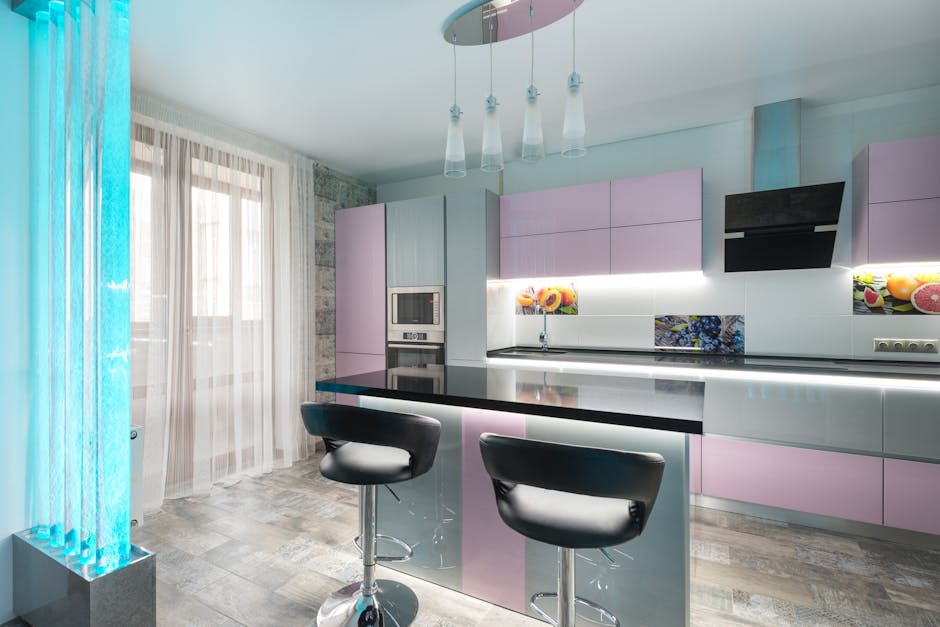
For a successful renovation, consider partnering with trusted local experts such as Utology for furniture and Unique Tiles for moisture-resistant surfaces. Incorporate small but potent fixes like silent extractor fans and layered lighting — this holistic approach creates a healthier, quieter, and more comfortable home.
Remember, many problems with damp and noise aren’t visible until they’re serious. Measuring humidity, noise levels, and light quality before and after improvements will truly show what works in your unique home.