I have spent twelve years navigating international terminals, dodging airport lounge queues, and mastering the art of the multi-country itinerary. If you follow my notes app—the one with the running pre-flight checklist that I treat with more reverence than my passport—you know that I am a fan of friction-free travel. I can check into a flight from London to Singapore while waiting for my oat flat white. I can book a boutique hotel in Tokyo with a single swipe. Yet, when it comes to healthcare access frustration, the experience remains stuck in the late 20th century.
Why is it that our travel tech is seamless, but our medical prep is a labyrinth of red tape, appointment delays, and pharmacies that don’t take my current script? We live in an era where we demand digital convenience expectations in every facet of our lives, yet we accept that arranging health coverage or ensuring prescription continuity is going to be a multi-week, high-stress ordeal. It’s time we stop pretending that “planning ahead” is enough; we need to talk about why the system is failing the modern traveler.
The Great Disconnect: Booking vs. Being
When you book a flight, the process is transparent. You know what you’re getting. When you try to organize a complex medical support plan for a month-long trip involving three different climate zones, you https://traveltweaks.com/the-expanding-role-of-digital-healthcare-in-travel-preparation-81133/ are suddenly plunged into a world of vague administrative policies. I’ve seen travel sites—let’s look at platforms like Traveltweaks as an example of where the industry *should* be heading—try to curate the travel experience, but even they often struggle to bridge the gap between "getting there" and "staying healthy."
The issue isn’t a lack of intent; it’s a systemic lack of integration. We have created a world where digital convenience is the gold standard for luxury, but when it comes to our physiological needs while away from home, we are left to fend for ourselves in a fragmented landscape of NHS primary care, private specialists, and international regulatory hurdles.
The Reality Check: NHS vs. Private vs. Regulated Care
If you are UK-based, you know the drill. You cannot simply walk into a GP surgery and demand an early repeat prescription because you’re heading to the Andes for three weeks. The NHS is brilliant, but it is not built for the transient lifestyle of the modern digital nomad or frequent business traveler. The friction here is structural: appointment delays and rigid prescription protocols are not bugs; they are features of a system under immense pressure.
This is where the shift toward private, regulated digital care becomes necessary, not just a luxury. However, you must be careful. I have zero patience for the "wellness" buzzwords that promise instant health. I am only interested in services that prioritize clinical safety and accountability. This is why I exclusively look for providers that operate under Care Quality Commission (CQC) oversight. If a service doesn't have that badge, do not trust them with your health history. The CQC is the only reason we have a baseline of safety when dealing with remote providers.
Comparing the Modern Travel Stack
To highlight the friction points, let's look at how we prepare for travel compared to how we prepare for health. The contrast is jarring.
Preparation Area Travel Tech Experience Healthcare Admin Reality Booking Instant digital confirmation Weeks of back-and-forth/waiting lists Documentation Mobile wallets/PDFs Paper scripts/Physical pharmacy visits Flexibility Real-time rescheduling Rigid, inflexible protocol timing Transparency Clear pricing and T&Cs "Vague" claims about out-of-pocket costsPrescription Continuity: The Silent Stressor
Let's talk about the specific pain of prescription management. If you require a recurring prescription, the anxiety of "what if I run out" is a constant companion on any trip longer than two weeks. Online prescription management systems should be the obvious fix, but they are often hampered by legacy software that doesn't "talk" to your home GP’s system.
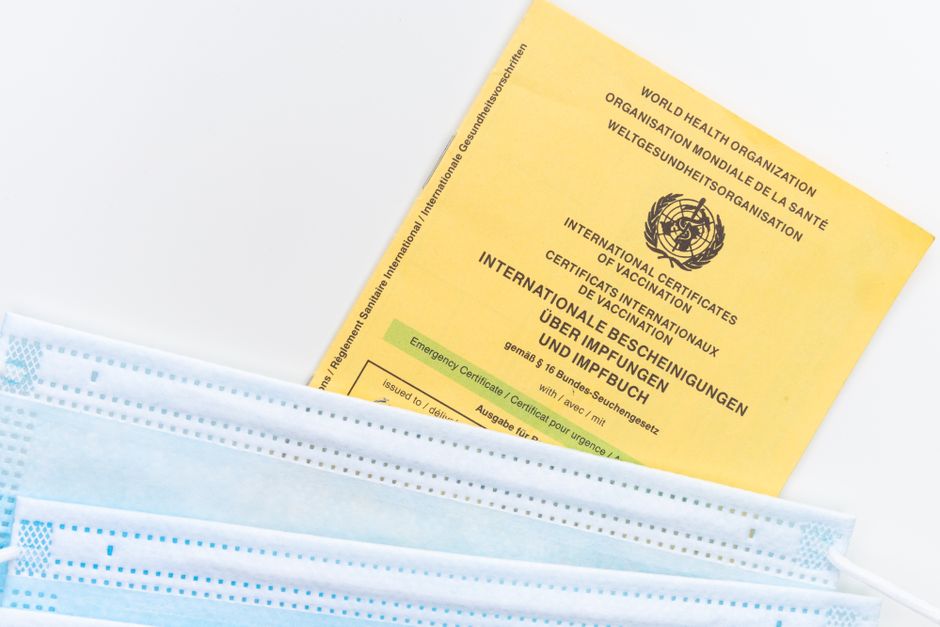
I advise travelers to stop relying on the "just-in-time" approach. Do not wait until three days before you leave to check if your medication is valid abroad. You need to map out your supply chain. If you are using digital platforms, ensure they are providing genuine, physician-led telehealth consultations. Services like Releaf have started to fill these gaps by providing a more streamlined approach to specialized care, but the responsibility remains yours to ensure these records are integrated into your personal health dossier before you step out the door.
Telehealth: Not Just for Convenience, but for Reassurance
There is a dangerous trend in some travel advice that tells people to "just relax" about medical concerns while traveling. As someone who has spent over a decade on the road, I find that advice reckless. You don't "relax" when you're 4,000 miles from home with a fever or a prescription issue. You prepare.
Telehealth consultations have revolutionized this. Being able to speak to a clinician who understands your history—even if they aren't your local GP—is a game-changer. It provides the continuity of care that was once impossible once you crossed a border. When choosing a telehealth partner, look for:
CQC Registration: Never compromise on this. Data Security: Are they compliant with UK GDPR? Physician Access: Are you talking to an actual doctor or an algorithm?My Pre-Flight Healthcare Checklist
I maintain a strictly enforced, non-negotiable checklist in my notes app. Every item on this list is designed to eliminate the friction points I’ve encountered over the last 12 years. You should adopt this, or create your own, at least four weeks before departure.
- The 30-Day Audit: Review all current medications. Do I have enough for the trip plus a 14-day buffer? Digital Records Check: Are my current summary care records saved in an encrypted, offline-accessible folder? Consultation Timing: If I need a specialized consult, book it at least 21 days before departure to account for pharmacy processing times. Insurance Documentation: Does my policy explicitly cover my pre-existing conditions, or are they hiding behind vague exclusions? Local Logistics: I research pharmacies near my accommodation in advance. Don't look for one when you're already sick.
The Future: Closing the Gap
We are currently in a transition period. We have the technology to make healthcare as portable as a boarding pass, but we are held back by an insistence on keeping legacy, paper-based administrative models alive. I don't want to hear about "future-proof" buzzwords from companies that don't have the regulatory backbone to support them. I want to see a direct link between travel booking platforms and validated, CQC-registered health services.

Until then, the onus is on the traveler. Do not fall for the myth that everything will "just work out." It rarely does. By acknowledging that healthcare prep is just as important as booking your seat, and by utilizing legitimate, digital-first healthcare partners, you can spend less time navigating pharmacy queues and more time actually enjoying the destination.
Travel is supposed to be an experience of freedom, not a series of administrative obstacles. It is high time our health access reflected that.