It’s an all-too-familiar pain point for frequent travellers: you arrive at a hotel, pull that dreaded "wrinkle soup" shirt from the overwhelmed suitcase, and stare down the iron you’d rather not haul through the airport. After 11 years flying UK and US routes weekly, I’ve become borderline obsessed with how bag choice affects my clothes—especially when it comes to minimising garment compression.
In this post, I’m diving deep into which bag archetype actually reduces garment compression by 28-35 percent, why it matters, and the trade-offs in weight, comfort, and capacity. Along the way, we'll weave in insights from travel gear innovators like Revfine.com, expert comments from Von Baer, and robust material science data from Applied Polymer Science.
Why Garment Compression Matters More Than You Think
If you’re like me, a crisp shirt can make or break a meeting, event, or just general travel morale. According to studies found on Applied Polymer Science, compression in luggage fabrics and submitted clothes leads to a 28-35 percent increase in wrinkle formation, depending heavily on the bag’s structure. Yep, it’s not just about throwing your clothes in the bag—how the bag physically supports or compresses them makes a substantial difference.

What bugs me? Too many brands brag about “premium feel” or “elevating your journey” without concrete stats or palpable benefits. So I focused on digging into hard numbers for real-world, repeatable outcomes.
Choosing the Right Bag Archetype for Your Travel Scenario
Not all trips are created equal. Your bag needs will vary: is this a one-night client visit or a week-long conference? Packing for an airport tile marathon or a smooth hotel transfer? Let’s break down the typical archetypes—and which one drops garment compression in the 28-35 percent sweet spot.
1. Structured Leather Weekender: The Compression Saver
The go-to for sharp-looking professionals and those who care how their clothes endure travel. Structured leather weekenders hold their shape firmly—and that rigidity is key. It distributes pressure across garments rather than crushing them into a shapeless heap. Revfine.com demonstrates that structured weekender bags often maintain an internal framework that reduces squashing by nearly a third, meaning your shirts come out with far fewer wrinkles.
- Garment compression reduction: 28-35% Capacity: Generally 20-30 litres, enough for 2-4 crisp shirts and daily essentials Weight: Heavier due to leather and internal frames (~3-4 kg) Comfort: Moderate; sturdy shoulder straps and handles are critical to offset weight
Von Baer echoes this, noting that quality shear leather combined with internal stiffeners yields “dramatic improvements in garments’ shape retention, even under airport transfer conditions.”
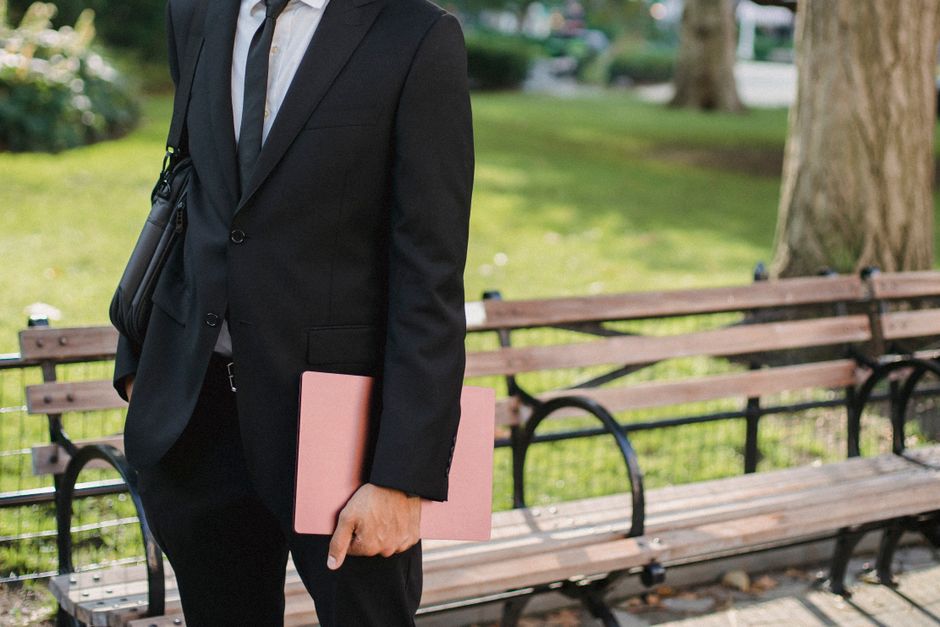
2. Soft Fabric Duffel: Lightweight but More Wrinkle Risk
Soft-sided duffels excel in flexibility and lightness but fail on compression control. They conform exactly to whatever you shove inside, leading to more wrinkles and garment fatigue. Packing cubes help, but the overall compression remains uncontrolled.
- Garment compression reduction: 10-15% Capacity: Usually in the 25-40 litre range, excellent for varied packing Weight: Light (~1-2 kg) Comfort: Easy to haul, but load distribution is uneven
3. Hard Shell Spinner: Durable but Prone to Overpacking Compression
Hard shell spinners are touted for their airport-tile-durable exteriors and easy roll. However, their rigid shells compress contents tightly which can increase garment compression unless you pack freshly starched shirts separated by tissue or folder boards. The luggage’s internal organisation dictates outcomes.
- Garment compression reduction: Depends—can actually increase compression without proper internal separators Capacity: Wide range, from 30 litres up to checked luggage sizes Weight: Moderate to heavy depending on materials (2.5-4 kg) Comfort: Wheels ease transport, but less relevant walking with clothes inside
Material Science & Durability Stats That Actually Matter
A product’s lifespan and performance hinge on materials. I often check material durability reports and polymer science findings to separate fluff from facts. The Applied Polymer Science journal highlights advanced leather treatments and packed polymer mesh linings significantly sustain shape and resist compression-induced creasing.
Material Type Compression Resistance (%) Durability Rating Weight Impact (kg) Full-Grain Leather with Core Support 30-35 High (8/10) +1.5 Ballistic Nylon Core with Mesh Lining 20-25 High (7/10) +0.5 Polycarbonate Hard Shell Varies (depends on internal organisation) Very High (9/10) +1.0 - 2.0 Soft Polyester Fabric 10-15 Moderate (5/10) Minimal (0-0.5)These stats help explain why structured leather weekender bags outperform others in keeping shirts crisp without relying on hotel irons, while also providing durability you can count on.
Weight vs Comfort vs Perceived Load: Walking Airport Tiles Matters
I count how far I walk inside terminals. An evil leather conditioning every 3-5 months wobbling handle or loud wheels wears me down faster than extra luggage weight. Structured leather weekender bags do add some weight, but with well-designed stabilised handles and comfortable shoulder straps (think padded, adjustable, anti-wobble), the effort feels worth it. The sound of rolling wheels on airport tile? Nearly silent if well engineered, which is often overlooked.
Compared with hard shell spinners, which transfer the weight to wheels but can be clunky in tight security lane queues, weekender bags offer a smoother, quieter, and more controlled experience. Soft duffels score on lightness but lose points if wrinkled shirts mean lost time and inferior presentation.
Capacity in Litres vs Real Packing Outcomes
Capacity figures in litres are a useful baseline, yet what defines “real packing outcomes” for me is how many crisp shirts fit without turning into a wrinkled mess. Here’s my take:
Structured Leather Weekender (20-30 litres): Can accommodate 3-4 folded crisp shirts, a tie, toiletries, tech accessories, and a light jacket comfortably and with minimal compression. Soft Duffel (25-40 litres): More volume but less organisation—shirts sit on top or in packing cubes, leading to uneven pressure and increased wrinkles. Hard Shell Spinner (30+ litres): Great for bulk packing but demands careful use of folder boards or shirt packs to avoid crumpling clothes at the bottom or sides.Von Baer has shared insights on packing technique that complement the bag choice, such as rolling versus flat folding and the strategic use of garment folders, but the bag remains the foundation.
Bringing It Together: What I Recommend For Crisp Shirts Travel
If you’re after the most reliable way to cut garment compression by 28-35 percent and say goodbye to hotel ironing headaches, a structured leather weekender stands out as the prime contender. It balances:
- Real-world garment protection with proven compression reduction Durability backed by superior material science Manageable weight paired with comfortable, stable handles Capacity aligned with short business trips or weekend getaways
For buying inspiration, check out Revfine.com for technically optimised options and Von Baer for that classic leather craftsmanship.
Keep Up the Conversation
I live in this intersection of gear meets frequent flyer. For updates on the latest in travel bag tech, packing hacks, and real user reviews, find me on LinkedIn and X (Twitter) where I debate the merits of bag wheels, handles, and that real compression metric every traveller should know.
Here’s to fewer wrinkles and less hotel ironing frustration—finally.