In my 12 years of coordinating commercial fit-outs across Kuala Lumpur and Selangor, I have seen the same tragedy play out countless times. A client falls in love with a stunning Pinterest board, selects a contractor who promises a miracle price, and wakes up six months later to peeling laminates, flickering LED drivers, and fire safety non-compliance notices from building management.
The problem isn’t usually the design. It is Go to the website the disconnect between the "pretty pictures" and the actual construction specification. If you want a fit-out that lasts—and keeps your business operations running without constant repairs—you need to stop looking at renderings and start looking at the written scope.
The Difference Between Interior Design and Fit-Out
Before we discuss materials, we must address the professional divide. Too many business owners mistake an Interior Designer (ID) for a Project Coordinator. They are not the same:
- Interior Designers: Focus on the aesthetic, spatial flow, color palettes, and the "vibe" of your workspace. They are creators. Project Coordinators: Focus on the technical reality—building management approvals, M&E (Mechanical & Electrical) integration, fire safety compliance, and ensuring the materials specified actually survive the rigors of a commercial environment.
When you skip the coordination phase and go straight to execution, you leave the "material quality" decision entirely in the hands of the contractor. Unless your contract is itemized, you are gambling on them choosing the best material for you, rather than the one with the highest profit margin for them.
Why "Lump Sum" Quotes Are a Red Flag
If you receive a quote that just says "Partition Works - RM 15,000" or "Reception Counter - RM 8,000," delete it. Without an itemized breakdown, you have no way to verify material grades. You are paying for a mystery box. A professional contractor should be able to tell you the thickness of the glass, the brand of the fire-rated board, and the density of the acoustic insulation. If they cannot, they aren't managing a project; they are playing a guessing game with your budget.
Comparison: The "Vague" vs. The "Professional" Quote
Item The Vague Contractor (Danger) The Pro Coordinator (Safe) Partition Wall Lump sum: RM 4,500 6mm Calcium Silicate Board, 75mm GI track, 50kg/m3 rockwool, finished with Nippon paint. Workstations Lump sum: RM 12,000 25mm MFC top (Grade E1), 2mm ABS edging, powder-coated steel frame. Fire Safety "Included" Bomba-compliant sprinkler relocation, fire-rated sealant, certified installer.Spotting "Cheap" Materials: The Checklist
When reviewing the specs provided by your contractor, look for these specific indicators of quality—or the lack thereof. Use this as your preliminary filter before a single nail is hammered.
Check the Brand or Spec: If a quote says "High-pressure laminate," ask for the brand and the grade. Is it commercial-grade or a residential knock-off that will bubble under the heat of KL’s humidity? The Edge Banding Test: On any joinery, check the edge banding. Cheap materials use thin, paper-thin tape that peels in weeks. Ask for 2mm ABS edging. It costs pennies more but lasts years longer. M&E Consistency: Are the light fittings brand-name (e.g., Osram, Philips, or reputable local equivalents)? Generic "off-brand" LEDs are the #1 cause of post-handover maintenance headaches. Maintenance Trade-offs: High-gloss surfaces look great on social media (Facebook/Pinterest/LinkedIn), but in a high-traffic clinic or office, they show every scratch. Ask for the "maintenance trade-off"—if it’s cheap, it’s usually porous and impossible to clean.The Crucial Step: Building Management and Compliance
In KL and Selangor, the biggest risk isn't the aesthetic—it's the Building Management and the local authorities. You can have the most beautiful office in the world, but if your materials don't meet fire safety ratings (FR), you won't get your Certificate of Completion and Compliance (CCC) or your building management move-in permit.
Never accept a "Vague" answer about:

- CIDB Registration: If the contractor isn't CIDB registered for the relevant categories, they have no legal standing to sign off on your site safety. Insurance (CAR): Contractor’s All Risk (CAR) insurance is non-negotiable. If they don't have it, any material damage during installation falls on *your* business ledger. Fire Safety: Are they using fire-rated materials for the ceiling and partitions? If building management asks for the certification and the contractor gives you a shrug, your project is halted immediately.
Project Planning Tied to Business Workflow
Stop thinking about your fit-out as a design project and start thinking of it as a workflow installation. If your materials are cheap, your downtime will be expensive.
For example, in a medical clinic, using cheap floor vinyl that isn't slip-resistant or chemical-resistant will cost you more in liability and replacement within 18 months than the initial savings on the material. When you plan your project, ask the contractor:
"How will this material hold up to 10 hours of daily use for the next three years?"
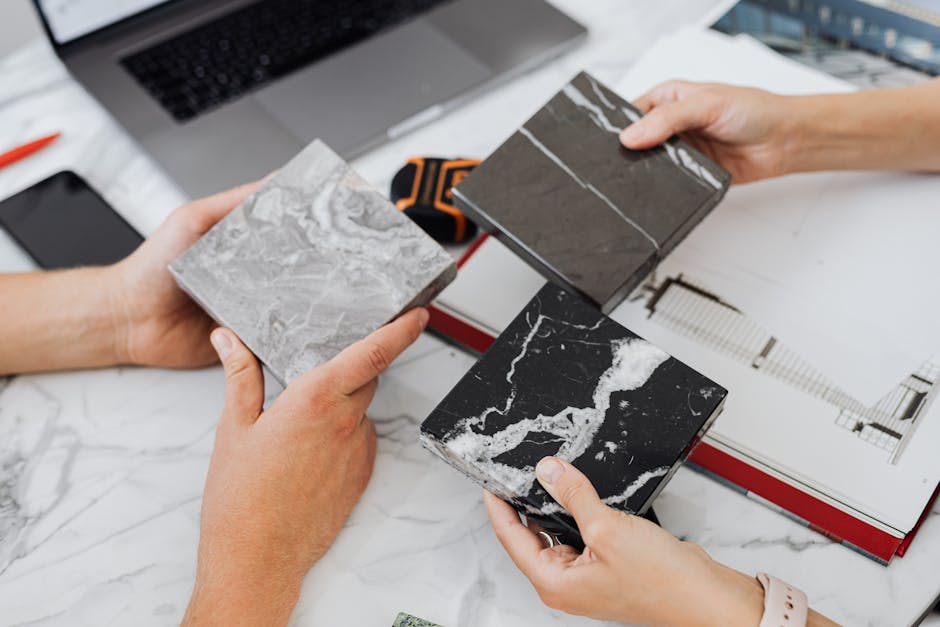
If they can't answer that, they are selling you a look, not a solution.
Final Advice for Project Owners
Before you sign a contract, demand the following:
- Itemized Material List: Brand names, model numbers, and thicknesses. Proof of Insurance: A copy of their current CAR policy. CIDB Verification: Check their registration status on the official portal. Scope vs. Rendering: If it’s in the rendering but not the written scope, it isn’t getting built.
Don't fall for the "impossible" deadline. A contractor promising a 1,000 sq ft office fit-out in two weeks is either skipping the fire safety inspections or using materials that are falling off the back of a truck. Quality takes time, and compliance takes documentation.
Stay sharp, keep your scope written, and always—always—check the specs before you sign the bottom line.