Underwater photography is an incredible window into the hidden world beneath the waves. As an avid underwater photo enthusiast with over a decade of experience using everything from small day boats to liveaboards, I've learned that logging species identification accurately is as important as capturing that perfect shot. However, asserting 100% certainty in species ID, especially underwater, is often unrealistic — many creatures are cryptic, similar species abound, and conditions underwater can limit our observations.
In this blog post, I'll share strategies to tentatively identify species while maintaining integrity in your data. Along the way, I'll cover essential handling tips for your underwater camera housing—how to care for those buttons, dials, hinges, and electrical connections that make your rig work—so your gear remains dependable for many dives to come.
Why Tentative Identification is Valuable
Species identification is a skill that improves over time and with experience, but underwater conditions often leave us guessing. Coral reef fish can change colors with age, nudibranchs might look divephotoguide.com nearly identical, and juvenile fish can throw a curveball on IDs.
I'll be honest with you: claiming 100% certainty when you are unsure introduces errors into scientific data, biodiversity records, and citizen science databases. Instead, making tentative identifications with notes for double-checking later is a more honest and useful approach.
How to Practice Tentative Identification
- Note the observable features clearly: shapes, colors, markings. Record habitat information: depth, substrate type, nearby flora/fauna. Include behavioral notes: swimming style, feeding behavior. Mark the identification as tentative, e.g., “Likely Siganus vulpinus but confirm with reference guide.”
This approach leaves room for later expert confirmation without erasing the initial observations.
Using Your Underwater Camera Housing to Help With ID Logging
Your underwater camera housing is your ally in documenting those images and notes. However, maintaining it properly ensures it stays reliable, especially when you're out at sea or on remote dive trips.
Key Components to Handle With Care
Component Care Tips Common Issues Buttons & Dials Rinse thoroughly with fresh water to remove salt before opening or pressing underwater; use masking tape to label functions uniquely. Salt crystallization causing sticky or unresponsive buttons. Hinges Keep dry and lubricated with appropriate silicone grease (not “o-ring grease”) to prevent corrosion and ensure smooth operation. Rust buildup causing stiff hinges or seals compromised. Electrical Connections Check o-ring seals regularly, use a tiny dedicated flashlight for inspection; avoid cross-contamination in shared rinse tanks. Corrosion leading to connection failure and flooding risk.Why Saltwater Removal Before Opening Matters
The number one rule to prevent housing leaks and damage is thoroughly rinsing off **all saltwater before opening the housing** post-dive. Salt crystals trapped inside can corrode contacts and damage buttons and dials, leading to failure mid-expedition. I keep a tiny flashlight tucked in my dive bag just for inspecting o-rings before every dive—a simple habit that prevented a costly flood on my second underwater trip.
Safe Handling in Shared Rinse Tanks
On group trips or liveaboards, rinse tanks are common but risky spots for your housing.
- Don't let housings bang together: Mechanical shocks can damage port glass or loosen buttons and dials. Label your gear: Masking tape on chargers and cables isn't just for organization—it also helps avoid mix-ups that cause electrical problems. Limit exposure time in rinse tanks: Prolonged soaking can exacerbate corrosion risks if tiny leaks exist.
Keep your housing safely tucked away between rinses or carry your own protective bag if possible.
Dry Workspace Habits to Avoid Corrosion
When back on the boat or shore, where you open your housing is critical. ...well, you know.
- Always work in a dry, shaded workspace to minimize moisture and salt residue. Use fresh, dry towels to rest equipment and wipe down controls and ports. Keep small airtight containers handy with silica gel packets to store delicate items like memory cards and lens caps. Avoid “grease” confusion: Use silicone grease on o-rings only to maintain flexibility and prevent leaks—not as a catch-all lubricant for buttons or hinges.
Backing Up Your Images and Logs: Two-Device Strategy
One of my biggest pet peeves is seeing photographers edit hours of images without making a second backup first. Lesson learned the hard way when my first flooded housing wiped all photos from one trip.
Steps to Ensure Your Data Stays Safe
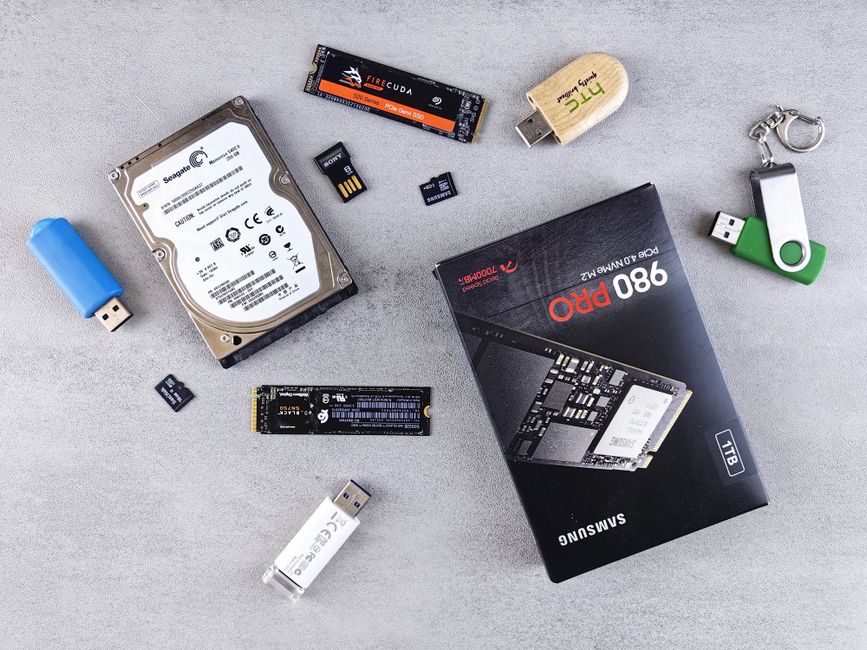
Copy images and logs immediately to two separate devices: ideally a laptop and an external hard drive or a cloud service. Verify file integrity: Open sample files on each device to ensure data transferred correctly. Keep copies physically separate: Avoid storing backups in the same bag, especially on boats prone to spills or salt exposure. Label your backup devices clearly with masking tape or permanent markers, so you know which is which at a glance.Having confidence in your backup system lets you spend more time exploring and less time worrying about lost data.
Check Reliable Guides After Your Dive Trip
Back on land, cross-reference your tentative identifications with trusted field guides, online databases, or local experts to improve your accuracy.
- Consider apps such as iNaturalist or FishBase to search by habitat, depth, and behavior. Note discrepancies and update your logs accordingly rather than deleting tentative IDs. It preserves a valuable record of your learning curve. Keep a digital or physical note of the typical habitat depth and behavior for species you photograph, reinforcing your in-field observations.
Final Thoughts
Logging species identification without pretending certainty is not a weakness but a mark of professionalism and respect for the ecosystems we document. By carefully maintaining your housing's buttons, dials, hinges, and electrical connections, rinsing saltwater away before opening the housings, avoiding careless mishandling in shared rinse tanks, and backing up your images and notes on two verified devices, you’ll empower yourself to create accurate, reliable records.
Remember: your logs and images don’t just capture moments—they contribute to a global understanding of marine life. Making tentative IDs and checking them later with reliable guides completes the cycle of responsible underwater photography and research.
Dive safe, shoot smart, and document honestly!