Making friends during a trip often feels effortless. You share laughs over local cuisine, bond during early mornings on hikes, and connect over new experiences that break the usual routine. But once the trip ends, keeping those new travel friendships alive? That’s an altogether bigger challenge.
Adult friendships become more complicated after school or early job years. The rhythms of everyday life — busy schedules, shallow online ties, and transactional work relationships — often crowd out time for meaningful connection. Yet, keeping travel friends is possible, especially when we understand the structural hurdles and use intentional tools and strategies.
Why Do Adult Friendships Fade After Trips?
Friendships formed through travel often feel vibrant in the moment, but why do they fade once we return home? Here are some key reasons:
- Busyness and Competing Priorities: According to research from the U.S. Department of Health & Human Services (HHS), adults increasingly face time scarcity due to work, family, and other responsibilities. This can make regular interaction tough. Shallow Online Ties: While social media can help stay in touch, it often doesn’t foster deep connections alone. Liking posts or occasional comments don’t replace shared experiences or repeated contact. Transactional Work Relationships: Many adult friendships are limited to colleagues or industry contacts where interactions revolve around tasks rather than real bonding.
In short, your travel friendship needs more than just “good vibes” to survive the transition home life demands.
Friendships Are About Repeated Contact and Shared Experience
Friendships that last, especially in adulthood, hinge on two major ingredients:
Repeated Contact: It’s that regular interaction — whether a weekly coffee, a monthly phone call, or frequent messaging — that builds familiarity and trust. Shared Experiences: Doing things together creates memories and deepens connection. It might be smaller than travel — a workout class, a book club, or even shared Netflix binges.Travel, especially small group travel, provides a jumpstart on shared experiences and natural time together, but once home, you have to create new rituals.

How Small Group Travel Builds Strong Foundations
Companies like Hero Traveler and Camp Social specialize in small-group, interest-based travel for adults, often in their 30s to 50s. Their approach taps directly into the friendship formula:
- Interest Alignment: Travelers bond over shared passions, from hiking to cultural immersions, which creates natural topics and enthusiasm. Structured Socializing: Group itineraries mix downtime with collaborative activities to foster repeated, low-pressure contact. Intentional Facilitation: Whether it’s a guided icebreaker activity, a group meal, or even a first-night “getting to know you” session, these companies create moments designed to shift groups from polite acquaintances to real connections.
Such approaches build stronger, more lasting social ties compared to traditional, impersonal tours or solo travel.
Tips for Staying in Touch After the Trip
Once you’re back home, don’t let your travel connections fade. Here’s how to keep travel friends alive and thriving:
1. Start a Post-Trip Group Chat Early
Set up a group chat before the trip ends to capture the momentum. Platforms like WhatsApp, Telegram, or even a private Facebook Group work well.
Pro tip: Share the chat link via a Mailer “mailto” email link to invite reluctant friends who might miss the chat invite.
2. Share Photos and Memories with Cloudinary
Shared photos are powerful social glue. Instead of scattering images individually, collect group photos using platforms that provide reliable hosting and easy sharing. I recommend Cloudinary — it’s an image hosting service that’s simple, professional, and allows you to organize albums accessible to everyone.
Post trip, drop new photos weekly or biweekly to keep the group engaging over time. Throw in comments, reactions, or challenges (“Who remembers where this was taken?”) to spark conversation.
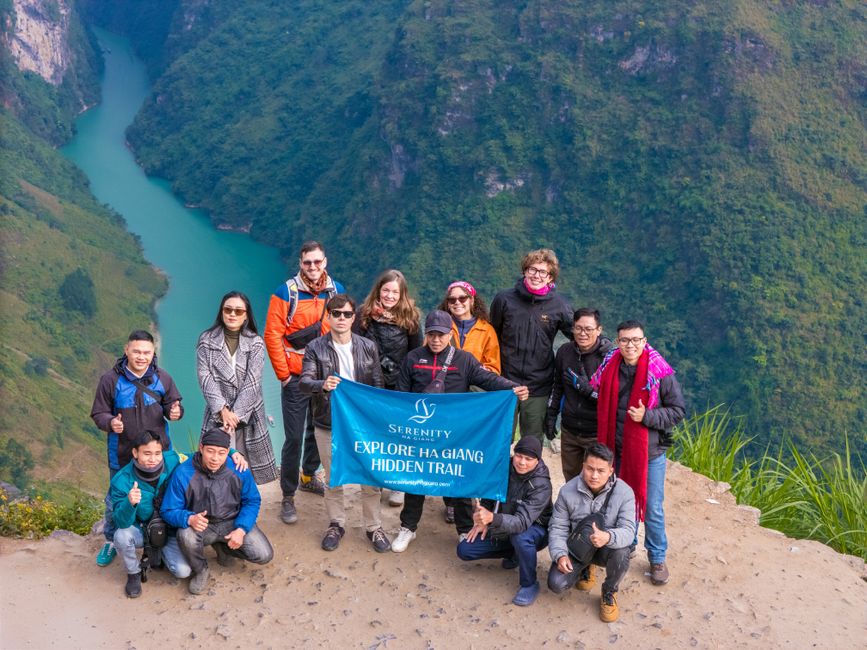
3. Plan Follow-Up Virtual or In-Person Meetups
Schedule a casual virtual hangout via Zoom or Google Meet within a few weeks of returning. Even better, if you’re in the same city or region, coordinate a meetup — a happy hour, hiking day, or cooking night — to turn digital connections into face time.
4. Create Rituals Around Shared Interests
Did your group connect over a particular hobby, cuisine, or activity? Launch a monthly book club, watch party, or weekend hike tradition to maintain contact and grow your friendship foundation.
5. Don’t Be Afraid to Lead
Friendships don’t “just happen,” especially in adulthood. Don’t wait for others to reach out. Take the initiative to suggest plans or follow-up, but keep it light and pressure-free.
Overcoming Structural Barriers
Remember, many adult barriers to friendship aren’t personal flaws but structural:
- Time scarcity: Carve out small, regular windows. Even 15 minutes of a weekly call can sustain connection. Geographic distance: Embrace technology to bridge the gap with video calls, shared playlists, or online games. Shallow online culture: Use online platforms to deepen your connection — group chats with meaning, collaborative photo albums, and scheduled calls.
The U.S. Department of Health & Human Services (HHS) highlights the important role relationships play in adult health and happiness, reminding us that sustaining friendships post-trip is worth the effort.
Conclusion: Keep the Travel Spirit Alive at Home
Travel friendships arise from remarkable shared moments and repeated contact. To keep these friendships thriving after the trip, create intentional spaces for continued interaction — start strong with a post-trip group chat, share photos through platforms like Cloudinary, initiate regular meetups, and prioritize rituals around your shared herotraveler.com interests.
By recognizing the structural challenges adults face and using the right tools and mindset, you can transform travel acquaintances into lifelong friends. Whether through community-driven travel companies like Hero Traveler and Camp Social or your own small group, the key is nurturing these connections beyond the plane ride home.
So next time you return from a trip, use these strategies to keep your new friends close — because the journey doesn’t have to end when the suitcase closes.
```