When planning bathroom lighting, especially around the vanity, the question “How many lumens do I need for grooming?” surfaces early and often. The answer influences everything from fixture selection to mirror sizing, task lighting layout, and even cabling complexity. As someone with 12 years in residential remodel documentation, I’ve learned that lighting isn’t just about brightness; it’s about function, placement, and durability — especially in humid environments where unsealed edges and cheap frames fail fast.
This post dives into the essentials of vanity lighting 1600 lumens and beyond, referencing industry standards like the National Kitchen & Bath Association (NKBA), and practical insights from manufacturers like Golden Lighting and Lumens. It also touches upon why deciding lighting comes before mirror width—yes, really—and how electricians and glaziers coordinate complex installs of LED mirrors and plate glass. Let’s unpack how to get your bathroom task lighting right, avoiding common pitfalls.
Understanding Mirror Types as Functional Decisions
Before settling on any lumen target, the mirror choice itself guides lighting strategy. Mirrors aren’t just decor. Their shape, storage options, mounting style, and even built-in lighting affect how much light you need and where.
Shape and Size: More Than Aesthetic
- Rectangular or Square: Common and practical, allowing for easy placement of vertical sconces or LED strips. Round or Oval: Trendy, but sizes tend to be smaller, which can crowd out necessary lighting if sconces are too close. Custom Shapes: Create style but complicate lighting layouts and may require custom fixtures.
Verdict: Oversized, round mirrors often crowd out flanking sconces, diminishing task lighting quality.
Storage and Mounting Affect Lighting
Mirrors with built-in storage (medicine cabinets) or mounting systems change light reflection and direct glare. For instance:
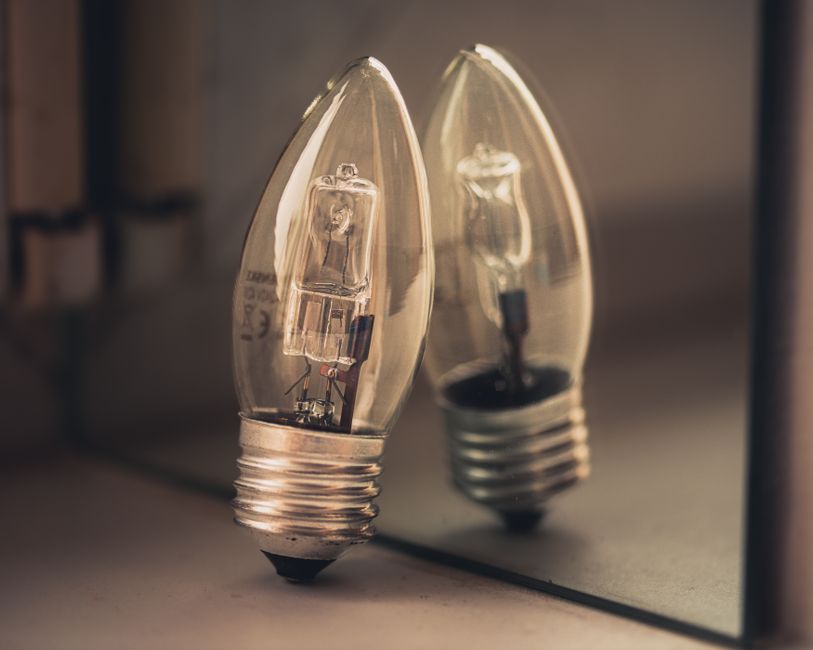

- Surface-mounted medicine cabinets can block space for wall sconces; you may need integrated lighting inside. Flush or recessed mounts open space for symmetrical sconces, preferred for grooming light. Hardwired LED Mirrors often have built-in light sources requiring coordination with electricians for power feeds.
Sizing Rules Tied to Lighting Layout
Many designers recommend mirror width equal to the vanity width or smaller for a balanced look. However, from a lighting perspective, the mirror size must accommodate sconces or light bars spaced according to task light requirements.
Sconce Placement and Mirror Width
- Allow at least 3 inches of clearance from mirror edges to sconces for even light spread. Ideal sconce height is 60-66 inches from the floor, centered vertically around eye level (~65 inches) for average users. For double vanities, place sconces between mirrors or at edges for balanced illumination.
Pro tip: Lighting always comes before mirror width. Choose fixture lumen output, then size and center mirror accordingly to avoid crowded sconces or uneven light.
Placement Heights and Sconce Spacing
To provide grooming light minimum luminance and avoid shadowing, placement heights and distances are vital.
Parameter Recommended Range Purpose Sconce Height 60-66 inches from floor Aligns with eye level to reduce shadows Distance Between Sconces 24-36 inches apart Ensures uniform light across face and mirror Sconce Offset from Mirror 3-6 inches from mirror edge Prevents glare on mirror surface and fixturesMount sconces too high, and they architecturelab.net throw shadows from eyebrows; too low, and they glare directly into the eyes.
Task Lighting vs Ambient Lighting: What Does Grooming Really Need?
Understanding the difference between task and ambient lighting clarifies your lumen target and fixture selection.
- Ambient Lighting: Provides overall room illumination. Usually indirect or centrally located, e.g., ceiling-mounted or recessed cans. Task Lighting: Focused, brighter light where activities happen — like shaving or makeup application at the vanity.
The NKBA recommends a minimum of 1600 lumens per vanity for efficient grooming light minimum. This typically breaks down to two wall sconces around 800 lumens each or an equivalent distributed LED light panel behind or around the mirror.
Choosing the right lumen level ensures colors render accurately, helping you see details like blemishes and hairlines clearly. Look for a Color Rendering Index (CRI) above 80, preferably 90+, to mimic natural light — available from brands like Golden Lighting and Lumens.
Coordination With Electricians and Glaziers
Integrating lighting at the vanity goes beyond choosing fixtures and bulbs.
The Electrician’s Role
- Installing hardwired LED mirrors requires correct wiring and integration with bathroom circuits. Adding feeds for sconces or additional fixtures must comply with local codes, including GFCI protection. They can suggest dimmer compatibility to adjust intensity, which impacts lumen selections.
The Glazier’s Role
- Templating and installing plate glass mirrors necessitate precise dimensions that consider fixture clearance. Alternatives like etched or demister (anti-fog) mirrors require special backing and wiring coordination. They help determine substrate quality and sealing methods to withstand humidity and prevent edge degradation.
Verdict: Demister yes. Dashboard maybe. Investing in quality sealed edges extends mirror life and preserves lighting quality.
Putting It All Together: A Practical Guide
Assess Your Vanity Size: Note countertop length and wall spacing. Determine Lumen Target: Minimum 1600 lumens at the vanity recommended for grooming by NKBA standards. Select Lighting Type: Choose between wall sconces, backlit mirrors, or integrated LED mirrors. Decide Placement: Plan sconce heights and spacing first before finalizing mirror width. Confirm Electrical Plan: Consult electrician for wiring requirements for fixtures and hardwired mirrors. Consult Glazier: Finalize mirror template for proper mounting and provision for lighting hardware. Choose Fixtures: Prioritize CRI 90+, avoid cheap frames or unsealed edges.Conclusion
Proper bathroom task lighting for grooming hinges on achieving the right lumen output (1600 lumens minimum), smartly sizing and mounting mirrors, and thoughtful fixture selection coordinated among lighting, electrical, and glazing professionals. Companies like Golden Lighting and Lumens provide fixtures that combine form and function when paired correctly.
Remember, start with lighting needs, then plan mirror size and placement — not the other way around. This approach prevents common mistakes like overcrowded sconces or uneven lighting, delivering an efficient and durable vanity setup. Quality sealed mirrors with demisters and professional electrical installs ensure longevity in the bathroom’s humid environment.
Armed with these guidelines, your vanity will be lit just right for every shave, every brushstroke of makeup, and every close inspection of your smile.