I’ve sat through enough final walkthroughs and "punch-list" meetings to know that the most beautiful rendering in the world can be rendered useless by a single poorly placed circulation path. You can specify the most expensive Italian tile or the sleekest acoustic baffles, but if your movement flow design forces a junior analyst to walk through the CEO’s sightline to reach the printer, your project has already failed.
Before we ever talk about "making it modern"—and let’s be clear, I’m going to ask you exactly what you mean by that, because “modern” isn’t a strategy—we need to talk about the bones of the floor plate. Every design firm looking at the Rethinking The Future Awards 2026 submission criteria knows that efficiency isn't just a buzzword; it’s the difference between a high-performing space and an expensive storage unit.
Start With the Sun: Daylight is Your Primary Anchor
Before you draw a single partition wall, I want to know where the daylight comes from. It sounds rudimentary, but you would be shocked at how many layouts I see that bury the breakroom in a windowless core while leaving the perimeter lined with underutilized private offices.
If you don’t prioritize natural light in your circulation planning, you’re essentially designing a subterranean cave. High-traffic paths should follow the "daylight ribbon." When you look at how companies like Google or Apple handle their campus layouts, they aren't just placing desks; they are mapping movement to sunlight. By aligning your primary circulation paths with window lines, you pull natural light deep into the floor plate, which reduces the need for artificial lighting and drastically improves the circadian rhythm—and productivity—of your occupants.
The Structural Reality Check
One of the biggest mistakes I see in early-stage interior design is the "ignoring the column" trap. Architects often dream of open, expansive floor plates, but if your movement flow design hasn't accounted for existing structural columns, you’ll end up with "dead corners" that kill your square-footage efficiency.
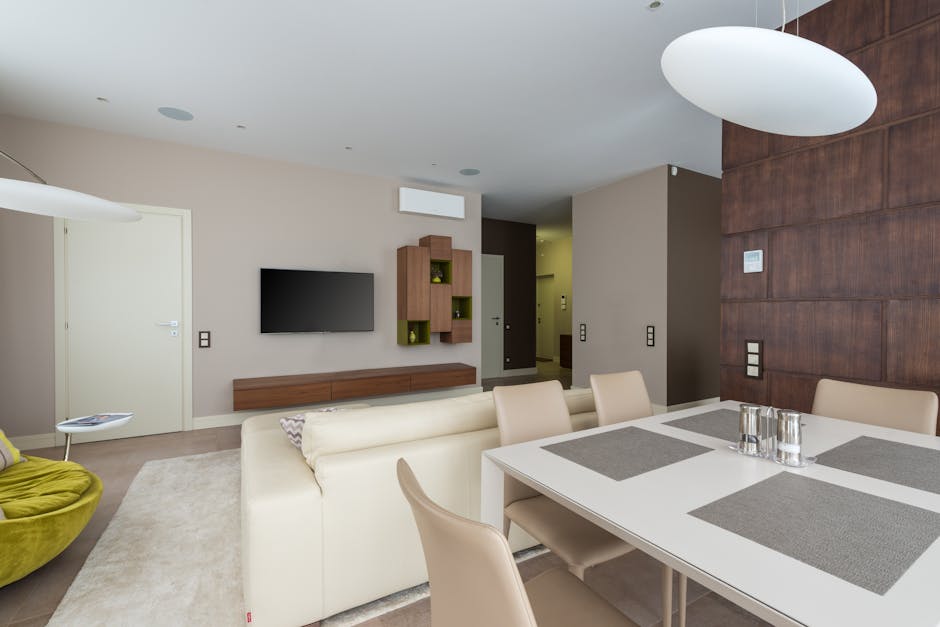

If you want to read up on how structural constraints dictate human behavior, look at the recent case studies featured on Eduwik. They consistently highlight that the most successful projects don’t hide columns—they use them as wayfinding markers. By aligning primary aisles with existing column grids, you create natural, intuitive movement paths that don’t feel cluttered or claustrophobic.
Small Layout Fixes That Save Big Money
I keep a running list of "small fixes" that prevent change orders during construction. Here is how you optimize flow without moving mechanicals:
Issue The "Quick Fix" Strategy Financial Impact Bottlenecks at entry Widen transit zone to 6ft+; pull reception back. Prevents mid-year renovation for crowd control. Noisy transition zones Create "buffer" zones (phone booths) between circulation and focus areas. High ROI on employee retention/satisfaction. Confusing navigation Use floor material transitions to define paths rather than walls. Reduces demo/rebuild costs of partition walls.Functional Zoning: Noise and Privacy
When clients tell me they want to "maximize productivity," they usually mean they want more desks. My response? You aren't increasing productivity; you’re just https://sophiasparklemaids.com/beyond-the-modern-buzzword-mastering-meeting-room-design/ increasing the sound density.
Effective circulation planning is actually an acoustic strategy. You need to segment your floor into three distinct zones:
The Hub (Loud): Kitchens, communal coffee bars, and collaborative zones. This is where movement flow should be most concentrated. The Transition (Medium): Shared printers, lockers, and informal meeting tables. These act as sound buffers. The Zone (Quiet): Individual focus desks and deep-work pods. These should never be placed adjacent to a primary egress path.If you look at the master planning at Microsoft offices, you’ll see they utilize "neighborhoods." Movement is discouraged through the quiet zones by using varied flooring textures or lower lighting levels, which subtly signals to people that they should lower their voices.
The "Modern" Trap: Don't Over-Promise
I get a twitch in my eye when I hear people say, "We https://smoothdecorator.com/the-anatomy-of-an-office-how-structural-planning-defines-success/ need to make it modern." If that means ripping out high-quality existing infrastructure to install trendy, high-maintenance materials that will look dingy after six months of high-traffic commercial use, stop.
Modern, to me, means resilient. It means choosing high-traffic commercial flooring that can actually handle the foot traffic of a 200-person office. It means designing paths that are wide enough for two people to pass comfortably—a detail that is often ignored in favor of squeezing in "one more conference room." If your layout forces people to shimmy sideways past each other, you haven't designed a modern space; you've designed a frustration factory.
Interior Wayfinding as a Design Tool
Interior wayfinding shouldn't just be about sticking signs on walls. Ideally, your architecture should explain itself. If your floor plan is intuitive, you shouldn't need a single piece of signage to find the exit or the restroom.
Key strategies for intuitive movement:
- Visual Anchors: Place a distinct piece of art, a plant wall, or a different lighting fixture at the end of a primary circulation path. It gives the eye a target. Material Cues: Use a durable, contrasting floor material for high-traffic "highways" and switch to carpet or softer acoustic tiles for the "destination" zones. Sightlines: Every primary movement path should have a clear visual destination. A hallway that ends in a blank wall is a lost opportunity—make it end at a window or a lounge space.
Final Thoughts: The Punch-List Reality
When you are in the final stages of a project, the punch-list reveals everything. Did the contractors put the heavy-traffic entry mat in the wrong place? Does the light switch for the corridor get blocked by the door swing? These are the moments where your design lives or dies.
Remember: your office floor plate is a machine. If the flow isn't right, the machine stops working. Before you pick paint colors, before you order that trendy velvet sofa, and before you sign off on those glass partitions—walk the path. If you can’t navigate your own floor plan with a coffee in your hand without bumping into someone, it’s time to go back to the drawing board.
Design for the way people actually move, not the way you hope they move. Because when the construction dust settles, the only thing that matters is that the space flows, the light hits the desks, and no one has to walk through a meeting to reach the coffee machine.