Moving in any neighborhood brings logistical challenges, but when you’re dealing with tight neighborhood layouts and tricky street designs, it takes a whole different level of expertise. Anyone can GPS a destination, but experienced local movers know that’s just the starting point. From securing parking spots to navigating narrow roads, each step is critical to a smooth move.
In this article, we’ll explore how professional movers address these challenges using an intelligent blend of local knowledge, advanced technology, and customer-focused communication. Along the way, we’ll highlight companies like Southside Moving and Storage, industry insights from sources such as GISuser, and best practices endorsed by organizations like the American Society of Civil Engineers (ASCE).
Why Local Expertise Beats Generic GPS for Neighborhood Layouts
Here’s the catch: a GPS app can tell you how to get from point A to point B, but it doesn’t tell you if the street is a one-way, the curbside parking is restricted, or the driveway access is blocked by neighborhood regulations.
This is exactly why experienced local movers thrive. Movers like Southside Moving and Storage don’t rely solely on default navigation tools. Instead, they combine their deep understanding of local area restrictions, typical parking rules, and neighborhood quirks with supplemental digital mapping platforms for a comprehensive route strategy.
- Neighborhood layouts are rarely uniform. Some areas have cobblestone streets or narrow alleys, others have gated entries or time-restricted zones. Local movers regularly interact with municipal offices or homeowner associations to confirm access times, elevator availability, and parking permits. This groundwork prevents costly delays or last-minute denials on move day.
Route Planning and Traffic-Aware Scheduling
In tight residential areas, timing your move is as important as route selection. The difference between moving during school drop-off hours versus midday can be significant and require different tactics.
Tools such as route optimization software help moving teams analyze traffic patterns and forecast the best departure and arrival windows. Industry analyses featured on GISuser highlight how integrating live traffic data with geographical information systems (GIS) allows movers to adjust their plans dynamically, avoiding delays in dense urban layouts.
For example, Southside Moving and Storage uses these insights to schedule their crews strategically, minimizing the real time move updates risk of double-parking fines or blocked loading zones. Their dispatchers communicate precise arrival windows so customers aren’t left waiting indefinitely with vague “between 8 AM and 5 PM” windows that plague many moves.
Digital Inventory and Documentation Reduce Mistakes
One of the biggest headaches in tricky moves is misplaced or damaged items, especially when maneuvering in tight conditions where unpacked items may unintentionally get knocked or dropped.
Experienced movers now rely on digital inventory systems that catalog every item with photos and notes during the loading process. This approach, widely discussed among logistics professionals and noted by the American Society of Civil Engineers (ASCE) for minimizing claim disputes, provides clear documentation that benefits movers and customers alike.
- Digital checklists replace paper forms, reducing human error. Real-time item tracking enables crews to verify placement and handling of fragile objects. Customers receive detailed inventories before, during, and after the move for transparency.
Customer Transparency and Real-Time Updates Are Non-Negotiable
Nothing frustrates customers more than silence or uncertainty on moving day. With tight neighborhoods, where crews may face extra hurdles, staying in touch through every step is vital.
Movers who embrace communication technology provide real-time GPS updates, clear confirmation of parking and elevator arrangements, and proactive alerts if unexpected issues occur. Southside Moving and Storage excels here by combining their dispatchers’ local knowledge with transparent communication protocols.
Here’s what customers can expect from movers committed to transparency:
Advance communication about any parking restrictions or loading zone permits required at both origin and destination. Prompt notification if route adjustments are needed due to sudden road closures or construction. Open billing practices — unlike common industry pitfalls, moves planned with local expertise never omit pricing or contact information from service details.Common Mistake to Avoid: Missing Pricing, Rates, or Contact Information
A frequent frustration in online moving content is the absence of upfront pricing or ways to contact movers directly. This gap makes comparing bids or even confirming availability a guessing game.
Experienced local movers understand customers value clarity, especially for moves in challenging environments requiring special permits or labor considerations. If a quote doesn’t explicitly mention rates or how to reach the company, assume that will cause office move project plan delays or unpleasant surprises.
Always ask for:
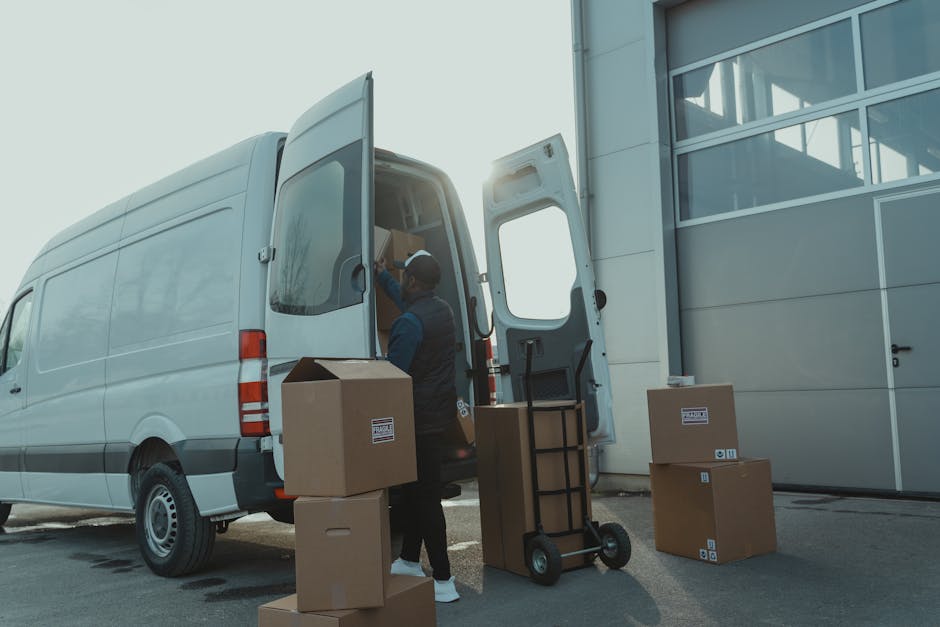
- Detailed pricing breakdowns including any fees related to parking permits, elevator reservations, or stair carries. Direct phone numbers and email contacts for dispatchers or customer service. Documentation confirming local compliance with municipal regulations.
Summary: Mastering Tight Neighborhood Moves Requires More Than Just Big Trucks
To recap, handling moves in tight neighborhoods and tricky layouts isn’t about brute force or just following GPS directions. It demands:
- Strong local expertise to anticipate access restrictions and common neighborhood surprises. Advanced route planning and traffic-aware scheduling utilizing digital mapping platforms and route optimization software. Digital inventory and documentation to prevent item losses or damages. Ongoing, transparent communication with customers to keep them informed and confident.
Companies like Southside Moving and Storage showcase the difference that combining technology with local knowledge can make. Their operational systems align well with insights from GISuser and best practices supported by the American Society of Civil Engineers (ASCE), demonstrating how the moving industry evolves through smart planning and customer-centered service.
Next time you’re tackling a move in a challenging neighborhood, remember: it’s these thoughtful approaches—not just a moving truck and a phone app—that get your belongings safely from door to door without unexpected hassles.