As divers, our passion for exploring the underwater world often inspires meticulous planning for our dive vacations. From carefully selecting dive sites to mapping out every moment on land, it's easy to fall into the trap of overpacking our itineraries. But the truth is, some of the best memories come from the small, unplanned moments—those relaxed surface intervals exchanging stories or the gentle evening lull after rinsing gear.
In this post, I’ll share insights from both remote island dive resorts and multi-day liveaboards, where I’ve learned to embrace simplicity, leave space for rest, and appreciate downtime. Plus, I’ll cover how leveraging phones and tablets—when used thoughtfully—can help create a flexible, offline-first approach to your digital entertainment and logistics, without fueling the urge to cram every minute with activities.
Why We Overplan: The Dive Traveler’s Dilemma
Dive vacations hold immense promise: pristine reefs, vibrant marine life, the thrill of progression, and the joy of camaraderie. Naturally, we want to maximize every second underwater. Add to that the non-diving opportunities—the local culture, beaches, food—and suddenly, your dive itinerary looks like an overambitious spreadsheet.. (why did I buy that coffee?)
The pressure often comes from:
- Wanting to tick off every top dive site. Making the most of limited vacation days. FOMO (“Fear of Missing Out”) on shore activities. Assuming WiFi and connectivity will enable constant planning or social sharing in real-time.
While enthusiasm is fantastic, the result can be exhaustion, stress, and missing the subtler joys of a dive holiday—the quiet moments between dives, slow chats on the boat, or simply watching a sunset after rinsing your gear.
Embrace Surface Intervals: Rest and Social Bonding
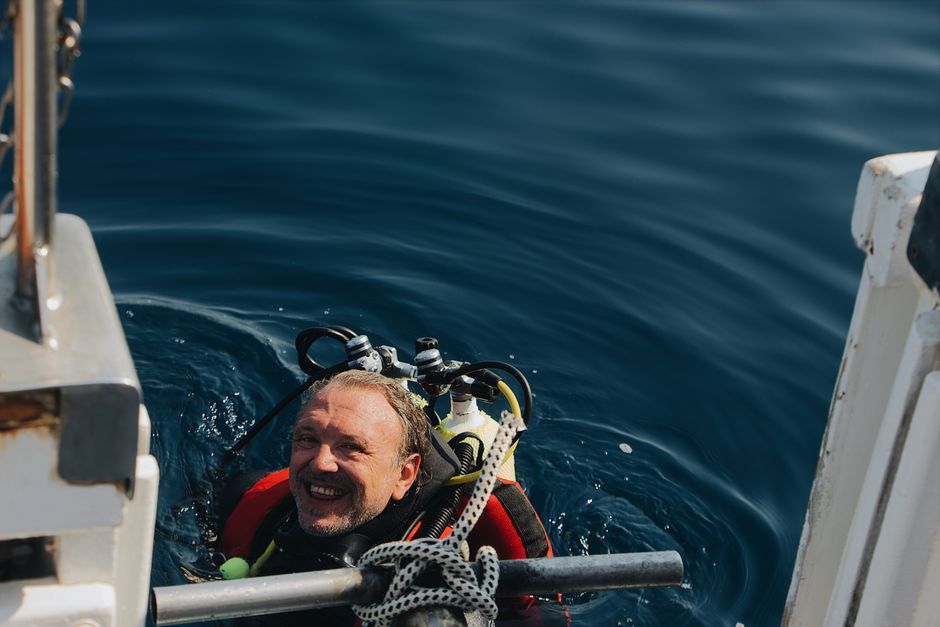
Surface intervals are often seen simply as “dead time” between dives, but in my experience, they are the unsung heroes of any dive day. On liveaboards and island resorts alike, these breaks offer a vital chance to unwind, hydrate, snack, and—importantly—to connect with your dive buddies.
The Unexpected Value of Slowing Down
Instead of zoning out on your phone or rushing to plan the next dive, try to sink into the shared calm on deck or shore. Surface intervals provide opportunities to swap stories about what each person saw underwater, compare notes on marine behavior, or simply enjoy the soothing tuffpfp.com rhythm of waves around the boat. This social bonding not only enriches the trip but also fosters a relaxed mindset, better acclimatization, and ultimately, safer diving.
- Bring a small notepad or use your phone’s notes app offline to record cool critter sightings to revisit later. Resist the urge to check emails or social media during these moments; it helps your mind truly disconnect.
Liveaboard Routines: The Appeal of Limited Options
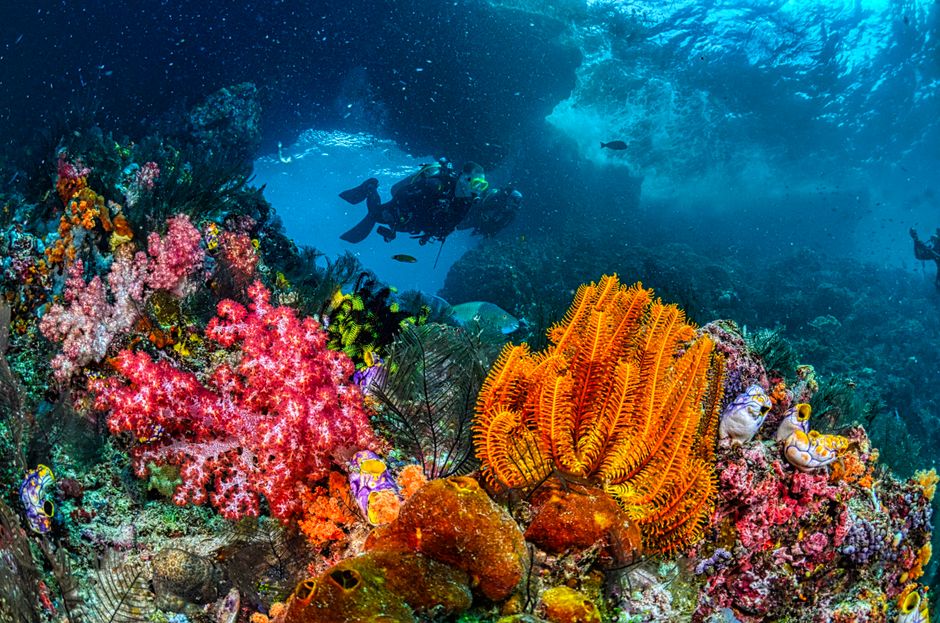
One of the biggest lessons I’ve learned on multi-day liveaboards is that routines—while limited—can be a blessing. Unlike island resorts where you might feel compelled to do every excursion or hit every restaurant, liveaboards often run a tight schedule with set meal times, dive briefings, and rest periods.
How Limited Choices Lead to More Joy
Without endless options, you’re invited to be fully present. Mornings might start with stretching on deck, dives follow in predictable sequences, and evenings revolve around washing gear and swapping photos with new friends. The downtime isn’t empty—it’s simple and meaningful.
For example, on a liveaboard cruising the Similan Islands, the itinerary included four dives a day, a mandatory surface interval lunch, and early nights. I learned not to fill late evenings with forced plans but instead to savor the calm onboard atmosphere: the sound of distant waves, the warmth of fresh towels, and low-key conversations.
- Use these rigid schedules as a cue to respect your body’s need for rest and reflection. Allow your mind to wander instead of racing to plan additional activities.
Post-Dive Evenings: A Shift in Pace
After a day underwater, evenings naturally adopt a slower, simpler rhythm. the the ritual of rinsing and drying your dive gear has this almost meditative feel—I always notice how it marks a boundary between active exploring and restful unwinding.
Simple Evenings Are the Ultimate Luxury
Though tempting to jam pack evenings with nightlife or excursions, consider instead:
Enjoying a dinner that isn’t rushed—local flavors, fresh seafood, and informal vibes. Watching the sunset while nursing a cold drink, sharing dive highlights with your group. Doing light stretching or yoga to relieve any muscle stiffness from gear and dives. Setting a ‘tech curfew’ for your phones and tablets to promote better sleep and a digital detox.These simple evenings recharge your body, enhance your dive enjoyment the next day, and often create the most candid, memorable moments with fellow travelers.
Offline-First Digital Entertainment Planning
One personal quirk—I keep a mental checklist for pre-downloads before any dive trip: podcasts, ebooks, offline maps, and dive guides. This offline-first approach transforms phones and tablets from distractions into invaluable tools during your downtime.
Why Offline Matters on a Dive Holiday
- Unreliable WiFi: Remote islands and boats often have patchy or no connectivity. Relying on downloads minimizes frustration. Encourages flexibility: Without the pressure of needing real-time info, you can adapt your plans organically. Supports rest and reflection: Choose content that’s calming or educational, rather than stress-inducing.
My Go-To Downloads
Type Example Why It’s Great for Dive Travel Podcasts Dive Talk Shows, Natural History Helps you unwind, sparks curiosity about marine life. Ebooks Local Culture, Dive Guides Easy to read on tablets, enriches dive site knowledge. Offline Maps & Apps GPS apps like Maps.me with dive shop locations Navigating unfamiliar areas without data. Photo Galleries Previous dive photos and videos Great for reminiscing and sharing during surface intervals.Tips to Cultivate a Flexible Itinerary and Leave Space for Rest
Ready to break free from the overplanning cycle? Here are some practical tips to cultivate a more relaxed dive vacation:
Create a loose outline, not a strict schedule: Prioritize must-see dive sites but leave blank spots for spontaneous rest or social time. Set daily “no-plan” blocks: Treat some surface intervals or evening periods as sacred downtime with no agenda. Limit notifications and digital distractions: Use airplane mode except when you want to share highlights or check logistics. Pack light—both gear and activities: The less you carry, the less you’re tempted to fill every moment with ‘stuff.’ Communicate with your dive group: Share your intent to embrace simpler days; others will often appreciate the slower pace too.Conclusion: Discover the Joy of Simple Evenings and Space to Just Be
Overplanning might seem like the rational choice when you’re on a limited vacation, but it can quickly drain your energy and cloud the moments that matter most. By intentionally leaving space for rest, embracing surface intervals as social and restorative breaks, appreciating the appeal of liveaboard routines, and planning a thoughtful offline entertainment stash, you create room for genuine joy.
So next time you dive into vacation planning, remember: sometimes the best dive isn’t the one on your checklist but the one in a quiet moment with your dive buddies, feeling the warm breeze after rinsing your gear and simply soaking it all in.
Happy diving—and happy unwinding!