In today’s evolving workplace environment, choosing the right office furniture—especially reconfigurable seating—has never been more critical. The rise of hybrid work and the need for flexible layouts demand furniture that supports dynamic workflows without compromising on appearance or durability. However, many companies struggle to find modular office furniture that looks upscale and professional rather than cheap or temporary. In this comprehensive guide, we’ll explore how to select reconfigurable seating that meets modern hybrid work demands, blends seamlessly into versatile office zones, and balances collaboration with privacy.
The New Landscape: Hybrid Work and Changing Expectations
The workplace is evolving rapidly. According to a report by Harvard Business Review, hybrid work models are here to stay, with many organizations adopting a mix of remote and in-office days. This shift changes the way we think about office furniture. Fixed, bulky seating and rigid layouts no longer accommodate fluctuating team sizes or the need for spontaneous collaboration.
Because of this, companies increasingly choose reconfigurable seating and modular office furniture that can adapt on the fly. But how do you find pieces that are flexible yet not cheap-looking?
Understanding Flexible Layouts and Multi-Purpose Zones
When selecting seating, it’s essential to consider how the space will be used throughout the day. Modern offices often include:

- Collaboration areas: Spaces that encourage team discussions and brainstorming. Quiet zones: For heads-down, focused work where privacy is valued. Multi-purpose rooms: Convertible spaces for meetings, training, or casual lounge use.
Designing layouts to support these varied uses means choosing reconfigurable seating that is easy to move, combine, or separate. Furniture from companies like Lum Chang Brandsbridge offers a modern, durable selection of modular seating solutions that balance aesthetics with functionality.
Key Features of Flexible Reconfigurable Seating
- Lightweight but durable construction: Look for frames made from high-grade aluminum or steel. Modularity: Components that can be easily joined or separated. Integrated connectors or modular connectors: Simplifies realignment without tools. Varied upholstery options: Offering fabrics and finishes that elevate the look and feel. Built-in cable management: For tech-enabled meeting zones.
Designing Based on Real Workflows
The best offices don’t just look good—they support actual workflows. Before purchasing reconfigurable seating, take the time to observe how your teams use communal spaces. flexible workspace Harvard Business Review research suggests that environments aligned with real work activities increase productivity and employee satisfaction.
Consider gathering feedback on:
Collaboration habits — Are people gathering in spontaneous huddles or scheduled meetings? Privacy needs — How often do employees need individual focus zones, and what is their preferred level of enclosure? Technology integration — Will the seating accommodate device usage comfortably? Mobility requirements — How frequently is the furniture moved or reconfigured?Answering these questions will help you select modular office furniture that fits seamlessly into workflows rather than forcing employees to adapt to the furniture.
Balancing Collaboration and Privacy
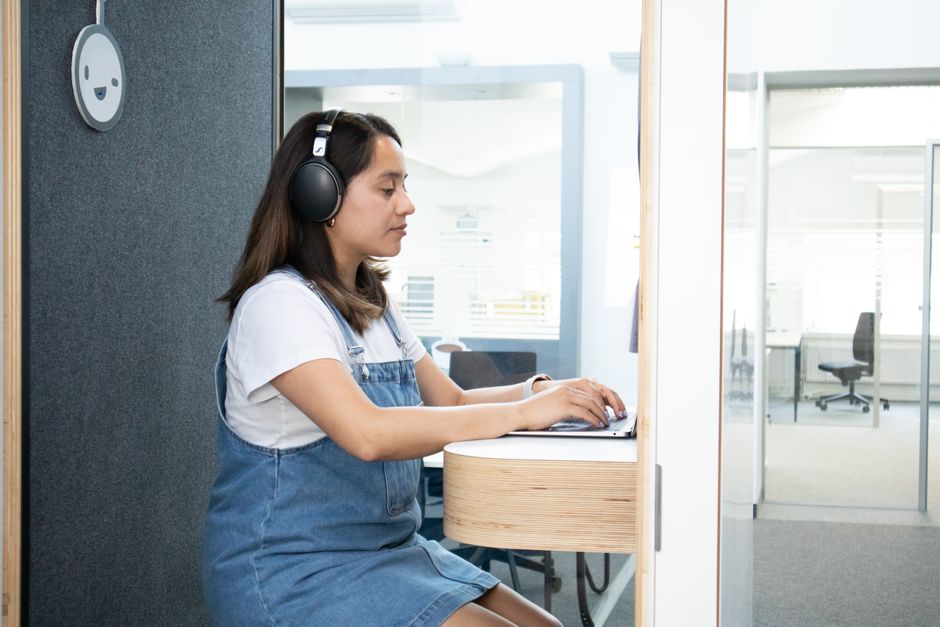
One of the toughest challenges in modern office design is supporting both teamwork and individual focus. Reconfigurable seating can bridge this gap when chosen correctly. Here are some strategies:
- Mix and match seating types: Combine open lounge seating with booth-style high-backed chairs that create visual and acoustic separation. Use accessories: Incorporate movable screens or acoustic panels that can be repositioned as needed. Create zoning: Define areas with distinct furniture styles to cue appropriate behavior (collaborative vs. quiet).
Brands like Lum Chang Brandsbridge provide collections that support these mixed-use zones with high-quality finishes and durable materials that withstand frequent movement and use. The right selection ensures your office retains a professional, upscale appearance without looking cheap or cobbled together.
Why Durable Materials Matter
Choosing durable materials is crucial when investing in reconfigurable seating and modular office furniture. Cheap materials wrinkle, fade, and deteriorate quickly, sending the wrong message to both employees and visitors.
Focus on these material characteristics:
Material Benefits Considerations High-Grade Steel/Aluminum Frame Strong, lightweight, supports modular connectors May increase cost initially but saves on replacement Microfiber or Performance Fabric Upholstery Stain-resistant, comfortable, upscale look Requires professional cleaning for longevity Leather or Faux Leather Elegant, easy to clean, durable surface Can be hot or cold, may need conditioning High-Pressure Laminate or Wood Veneer Accents Adds warmth and texture, durable finish Veneer can chip if mishandledWhen you invest in furniture with durable materials, the perception of quality is immediate—and your modular seating will maintain its refined look through years of reconfiguration and use.
Visual Examples and Inspiration
When evaluating seating options, look at image portfolios from trusted brands and contractors. Websites that utilize fast and reliable content delivery networks like Squarespace CDN often offer crisp, professional photos showcasing furniture in real office environments.
For example, Lum Chang Brandsbridge’s galleries highlight:
- Seating configurations that blend lounge comfort with formal meeting function. Various upholstery and finish options that maintain a polished look. Examples of mixed collaboration and privacy zones using modular components.
Use these visuals as a reference to visualize how furniture might transform your workspace without falling into the “cheap” trap.
Summary: Key Tips for Choosing Quality Reconfigurable Seating
Prioritize modularity and ease of movement: Choose pieces that are lightweight but stable. Focus on durable materials: Invest in quality upholstery, solid framework, and well-finished surfaces. Design for your unique workflows: Observe how your teams actually use space before buying. Balance collaboration and privacy: Mix seating styles and add accessories to support diverse work modes. Look to reputable brands: Trust companies like Lum Chang Brandsbridge that deliver modular office furniture with premium aesthetics and longevity. Use high-quality visual references: Consult well-photographed portfolios hosted on CDNs like Squarespace CDN to see real-world examples of furniture in action.By following these guidelines, you can create an office environment that looks polished, functions flexibly, and supports the ongoing success of your hybrid work culture.
For continued insights on workforce trends and office design that works, Harvard Business Review is an excellent resource with data-driven analysis on optimizing modern workplaces.
```