When it comes to commercial roofing, especially for industrial sites, choosing the right contractor is often a balancing act. You see companies like Nationwide Industrial Roofing and Hathaway Roofing who specialise in installation but rely on third parties for materials. Then there’s a standout: CA Group Kilmarnock, who manufacture and install roofing systems themselves. But is being manufacturer and installer combined really a better option? Let’s dig in.
Understanding Industrial vs Domestic Roofing
First off, it's important to distinguish the types of roofing involved. Domestic roofing, typically pitched tiled roofs, has a very different set of challenges compared to industrial roofing.
- Scale: Industrial roofs cover vast footprints like warehouses or factories, often requiring metal roofing, composite panels, or extensive flat roof systems. Materials: Domestic roofs mainly use tiles or slates; industrial roofs utilise built up metal systems, Kingspan composite panels, or flat roofing membranes. Durability & Maintenance: Industrial roofs face harsher operational conditions, from heavy machinery vibration to chemical exposure, demanding more robust materials and waterproofing solutions.
So, when you're specifying roofing for industrial assets, you need more than a domestic roofer or a general contractor — you want a company that understands the unique demands and nuances.
What Are Built Up Metal Systems?
Within industrial roofing, especially large warehouses, a go-to solution is the built up metal system. Here’s what you need to know:
- Multiple Layers: These systems are put together from layers of metal decking, insulation boards, and waterproof membranes. Structural Support: The metal decking forms the base, supporting both roof weight and any operational loads. Weatherproofing: Manufacturer-backed waterproof membranes firmly seal the system against water ingress even during severe weather. Longevity: These systems, particularly those supported by companies like CA Group, offer 20+ years of reliability when designed and installed correctly.
Keep your eyes on whether the installer is also the manufacturer here — that can make a difference in accountability and system compatibility.
CA Group Kilmarnock: Manufacturer-Backed Roofing Advantage
One of the recurring themes I’ve seen across tender reviews is the value of manufacturer-backed roofing. CA Group Kilmarnock stands out because they don’t just install – they also produce their own roofing systems.
Why does this matter?
- System Integrity: The roofing components and membranes are designed to work together, reducing risks of installation issues that come from mixing brands or unsupported products. Warranty & Aftercare: When problems arise, pointing finger at third-party products is off the table. CA Group offers comprehensive warranty packages, since design and build are unified. Speed & Logistics: If the manufacturer and installer are separate, delays in product delivery or compatibility queries can hold up projects. CA Group’s streamlined process limits downtime.
Other companies, like Nationwide Industrial Roofing, often partner with manufacturers rather than making their own systems. This model works but can risk communication gaps or less tailored solutions.
Manufacturer-Backed Built Up Metal Systems for Warehouse Roofs
Warehouse roofing often leans heavily on metal roofing paired with insulation and waterproofing membranes. CA Group’s built up metal systems integrate metal decking with Kingspan composite panels — a widely trusted insulation brand — for superior thermal performance and durability.
This combination addresses key warehouse roofing needs:
- Energy Efficiency: Kingspan composite panels offer excellent insulation, lowering heating/cooling costs in large spaces. Lightweight but Strong: Metal panels keep structural loads down while withstanding wind uplift and weather. Seamless Waterproofing: Integrated membranes from CA Group prevent leaks from seams and fastener penetrations common in metal roofing.
The systems are designed for rapid installation too, reducing the time between stripping old roofing and having a watertight covering.
Flat Roof Waterproofing Systems: What You Need to Know
Many industrial buildings also have flat roofs, requiring dedicated waterproofing solutions that stand up to pooling water and traffic from maintenance.
Key points about flat roof waterproofing from my experience:
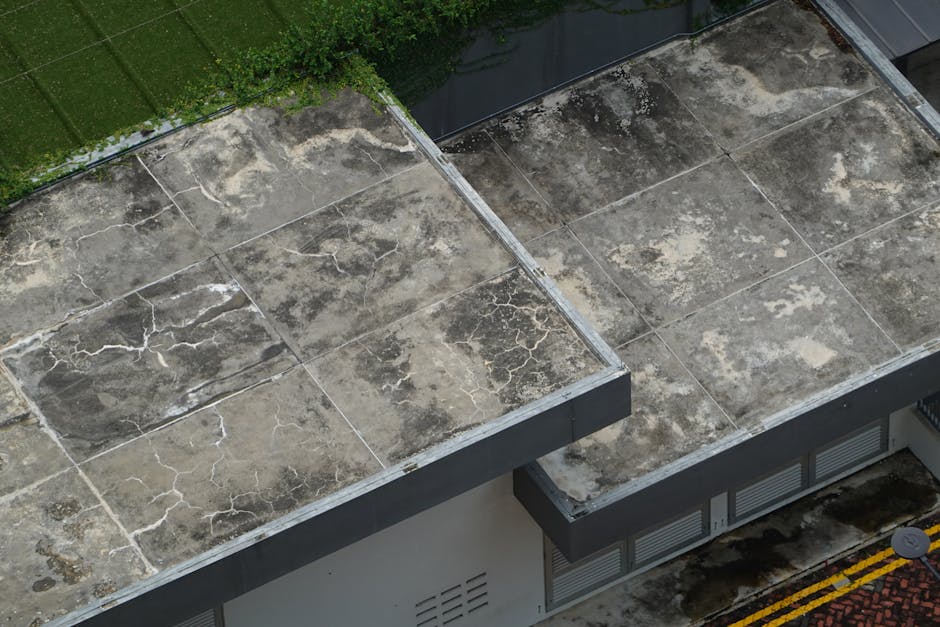
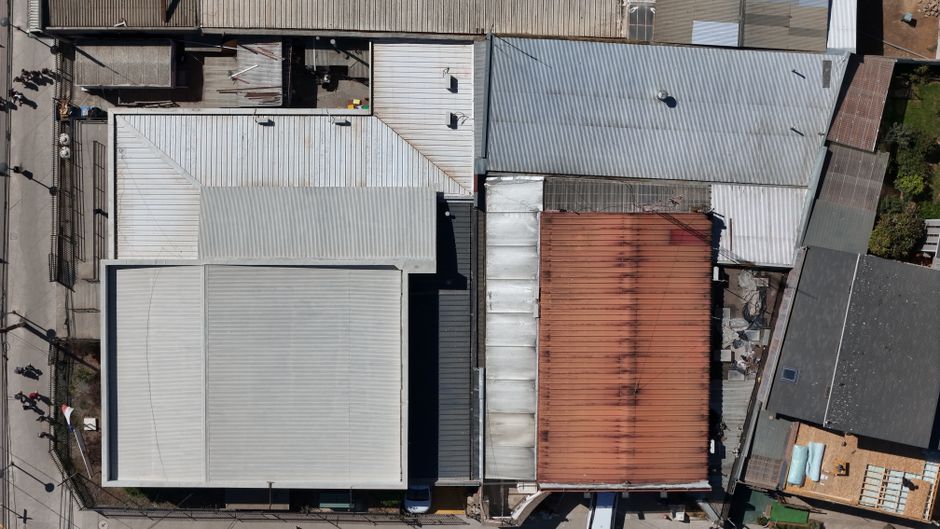
- Look for manufacturer-backed systems here as well. CA Group’s built up flat roofing uses tried-and-tested membranes with factory quality control. Proper substrate preparation is critical to avoid premature failure, something good installers never cut corners on. Drainage planning must be spot on — anything less leads to ponding water and early wear. Ask what happens when it rains on day two of the job, especially during membrane bonding and curing periods.
Too often, companies promise “best in class waterproofing” but won’t openly discuss the installation timing or conditions necessary. CA Group is transparent about these factors, given they back their systems from the ground up.
The Common Pricing Mistake: Where Are The Figures?
One pet peeve I carry from 12 years in roofing specification and tender boards is the avoidance of clear pricing figures. You’ll often find contractors, including manufacturers and installers, pushing impressive case studies, lists of brands, or heavy technical data — yet sidestepping upfront cost transparency.
Pricing is the critical factor buyers want:
- How much per square metre for built up metal roofing with Kingspan panels? What does manufacturer-backed warranty cost relative to unbranded alternatives? Are flat roof waterproofing systems more expensive upfront but cheaper long-term?
For CA Group Kilmarnock and similar companies like Nationwide Industrial Roofing or Hathaway Roofing, it’s essential to provide indicative pricing tables or at least ranges in proposals. This prevents surprises and helps https://fionafreshmaids.com/industrial-roof-leaks-keep-coming-back-whats-usually-the-real-cause/ break down “best-in-class” hype into real-world budgets.
Summary Table: Pros and Cons of Manufacturer-Installer Combined Roofing
Aspect Manufacturer-Installer (e.g. CA Group Kilmarnock) Separate Manufacturer & Installer Accountability Unified; one company responsible for product & fit Can lead to finger pointing over installation vs product faults System Compatibility Designed to work together; less risk of mismatch Potential for product incompatibility or substitutions Lead Times Streamlined procurement and delivery Possible delays waiting on third party supply Warranty Comprehensive, backed by manufacturer and installer Multiple warranties; may complicate claims Pricing Transparency Should be clearer, but varies by company Varies; sometimes better competitive pricing from separate suppliersFinal Thoughts
The choice between companies like CA Group Kilmarnock who manufacture and install their own roofing systems, versus firms focusing solely on installation (e.g. Nationwide Industrial Roofing or Hathaway Roofing) depends on https://cleaneverycorner.com/what-is-the-roofing-today-top-40-and-why-does-4th-place-matter/ your priorities.
If you want seamless system integration, manufacturer-backed warranties, and potentially smoother project logistics, CA Group’s approach is appealing. Their built up metal systems and use of Kingspan composite panels exemplify industry best practice in industrial roofing.
However, always demand clear pricing figures and question what happens in real life events — like rain during installation or unforeseen delays — before signing a contract. Also, check how flexible each company is with bespoke project needs and ongoing maintenance support.
Manufacturing plus installation in one place can add value, but only if transparency and quality are equally prioritised.